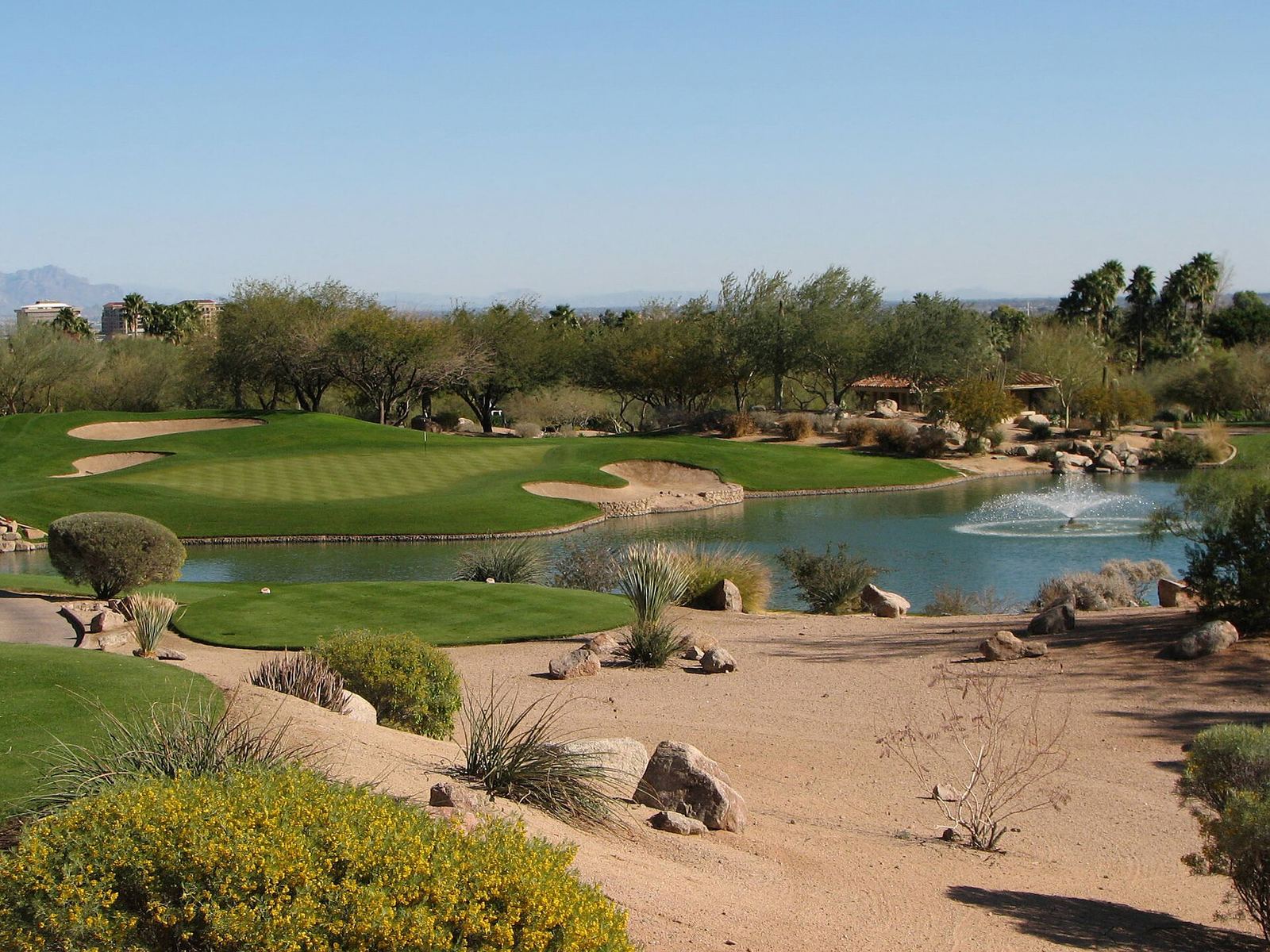
Overseeding golf course fairways, tees and sometimes greens means sowing a cool-season grass, usually perennial ryegrass, into warm-season bermudagrass in autumn, so the course stays green while the bermuda sleeps through winter. It’s why Arizona courses close for two or three weeks every autumn, and why many are now doing less of it.
If you’ve ever booked a desert golf trip for October and found half the courses shut, overseeding is the reason. It’s also why a January round in Scottsdale is played on thick, green ryegrass when the native bermuda underneath is brown and dormant, and why some southern courses look straw-coloured all winter while their neighbours glow. For how the grasses on America’s courses differ, and why warm-season bermuda goes dormant in the first place, start with our guide to golf course grass.
This guide explains what overseeding is, how a course does it step by step, when it happens in each region (with the real 2026 Arizona closure calendar), what it costs in seed, water and labour, and why the practice has been shrinking fast. It also explains what overseeding means for your golf: the closures, the soft conditions afterwards, the prices, and the case for playing dormant bermuda instead.
How we built this. Closure dates come from the courses’ own websites and published calendars, checked in September 2026. The decline in overseeding comes from data published by the Golf Course Superintendents Association of America (GCSAA), as reported by GOLF in December 2023, along with that article’s case study of a Las Vegas-area club. Seeding rates and timing come from published turfgrass-management guidance, and San Antonio’s approach from the city’s golf operator. We’re golfers, not agronomists; superintendents adjust everything here to their own grass, climate and budget.
At a glance
- What it is: sowing cool-season grass, usually perennial ryegrass, into dormant warm-season bermudagrass in autumn; some courses use rough bluegrass (Poa trivialis) on greens
- Why: green colour and better winter lies, and protection for dormant bermuda against winter wear
- When: in the desert, mid-September to early November; in the Southeast, typically late September to mid-October
- How long courses close: usually two to three weeks; one Las Vegas-area club described closures of three to four weeks
- Arizona 2026: closures ran from September 14 (TPC Scottsdale’s Champions Course) to November 1 (the Boulders’ North Course)
- The trend: the GCSAA’s projected overseeded acreage fell 60% between 2005 and 2021, as courses cut water and costs
- The alternative: leave the bermuda dormant, which means brown but firm, fast winter golf
What does overseeding mean on a golf course?
Overseeding means planting a second grass on top of the existing turf without removing it. On golf courses, it usually means sowing cool-season perennial ryegrass into warm-season bermudagrass in autumn, so the ryegrass carries the course through winter while the bermuda is dormant, then fades out the next summer.
The idea is simple. Bermudagrass, the grass on most courses in the South and the desert, loves heat and grows furiously in summer. When nights cool in autumn, it slows down, stops growing and turns brown. It isn’t dead; it comes back the following spring. But a brown course in January isn’t what a winter visitor paying $300 for a round in Scottsdale expects, and dormant bermuda can’t repair itself from the wear of thousands of winter rounds.
So courses sow ryegrass, which grows best in exactly the cool weather that puts bermuda to sleep. For six months the ryegrass is the playing surface. When the heat returns the next year, the ryegrass weakens and dies back, and the bermuda takes over again. That handover in late spring and early summer is called the transition, and getting it right is the hardest part of the whole job.
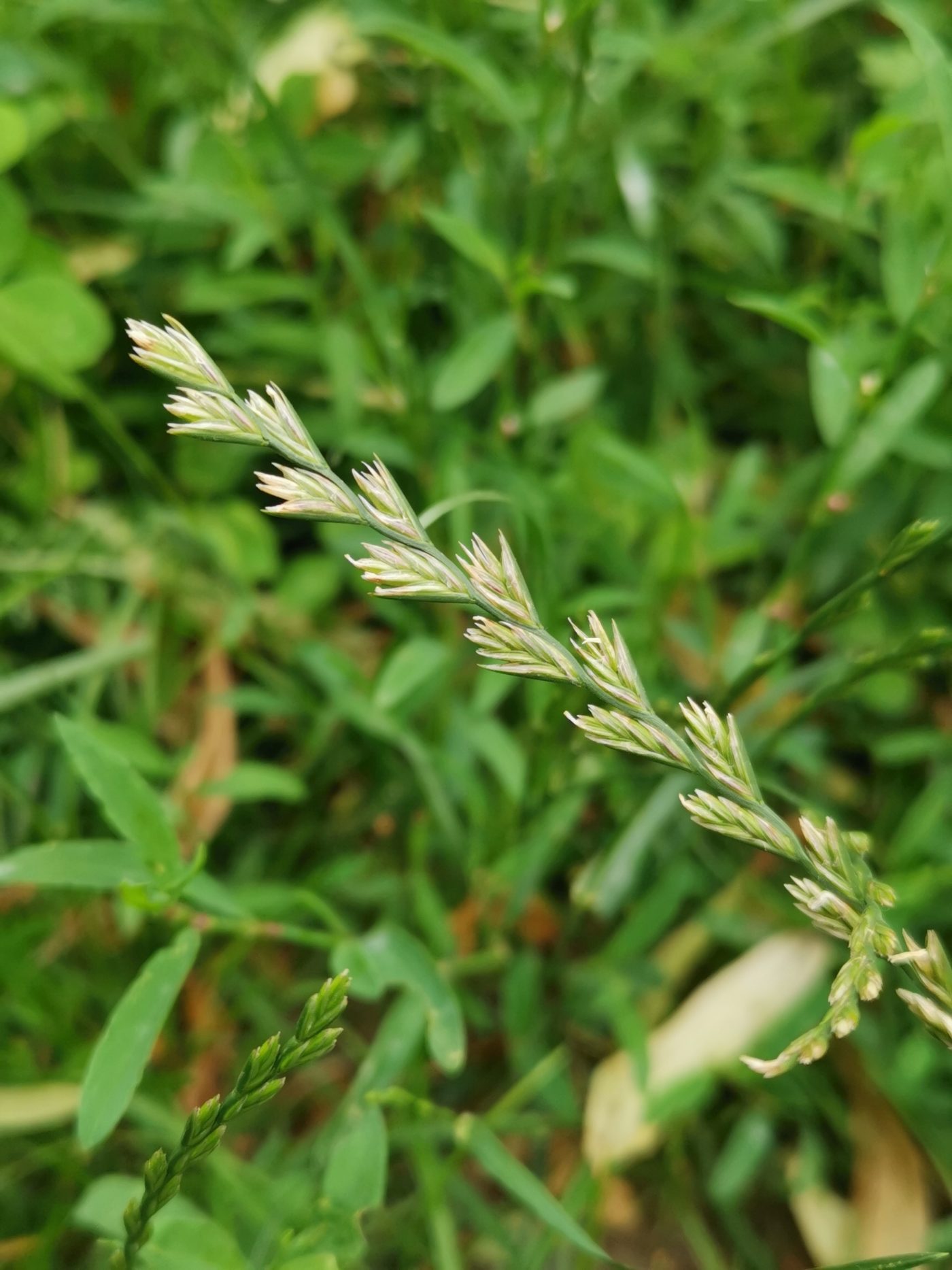
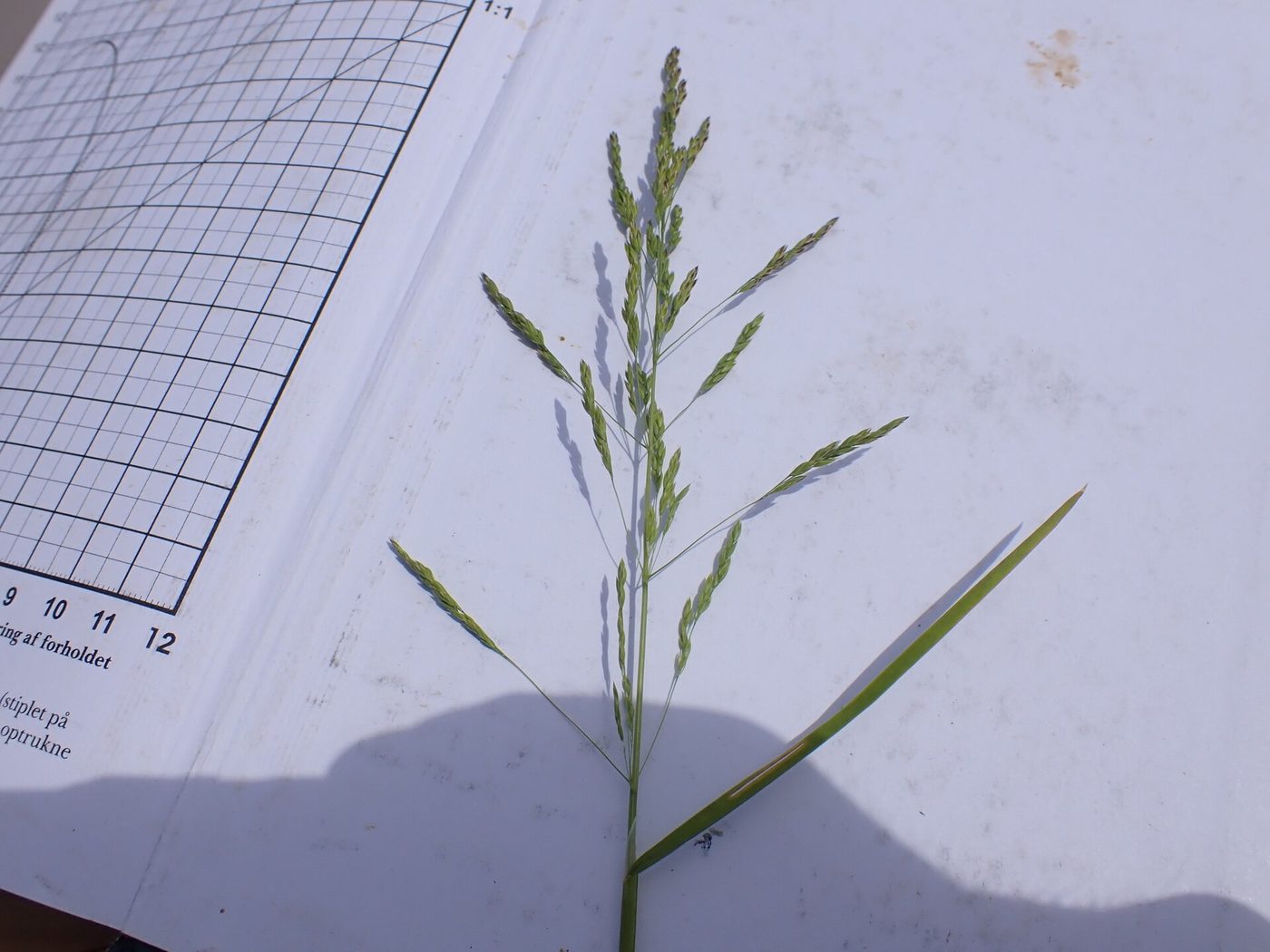
Perennial ryegrass is the usual seed for fairways, tees and rough because it germinates fast and gives good lies. On greens, many courses either don’t overseed at all, now that modern ultradwarf bermudas hold up better in winter, or use a finer grass, rough bluegrass, better known as Poa trivialis, which makes a smoother putting surface.
Why do golf courses overseed?
For colour, for playability and to protect the bermuda. Overseeding keeps fairways green and lies tight through winter, when warm-climate courses are busiest, and shields dormant bermuda from the wear of winter traffic. San Antonio’s city courses also cite weed suppression and appearance.
The reasons are partly practical and partly commercial. The Alamo City Golf Trail, which runs San Antonio’s municipal courses, explains that it overseeds its greens for winter protection, to keep them playable while the bermuda is dormant, for appearance and to suppress weeds. Dormant bermuda under heavy traffic wears thin and can be slow to recover in spring; a layer of actively growing grass on top takes the wear instead.
Then there’s the market. In the desert, winter is the money season. Arizona’s courses charge their highest rates from roughly January to April, when TPC Scottsdale’s Stadium Course was reported at $436 to $550 and We-Ko-Pa’s Saguaro at about $309, against about $303 and $99 in summer. Visitors paying peak rates expect green grass. A brown course in February would be a hard sell at those prices, which is why the desert’s resort and daily-fee courses have overseeded for decades.

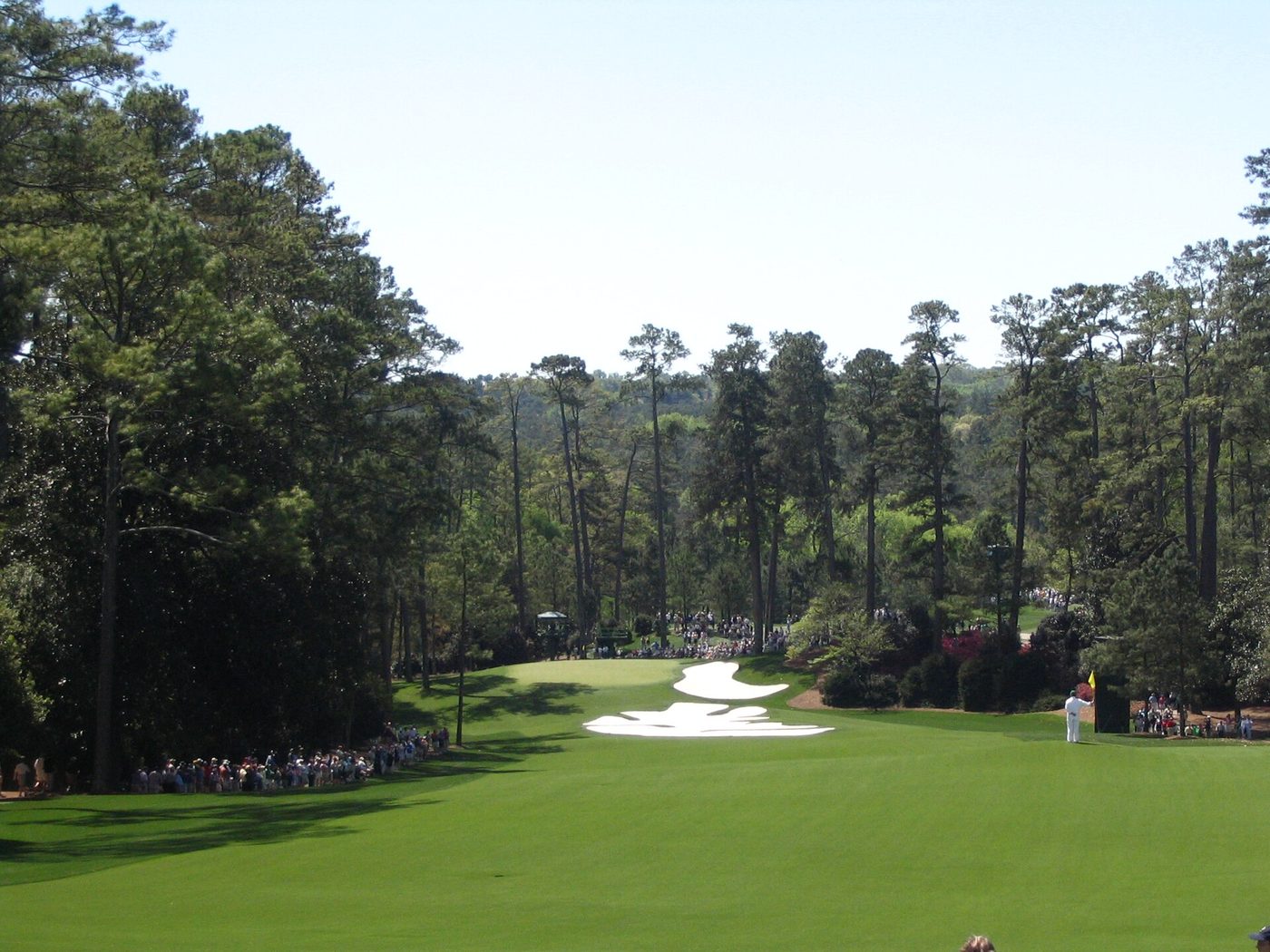
Television plays a part too. Augusta National, whose fairways are bermudagrass overseeded with perennial ryegrass, is bright green for the Masters in April, and so is the Stadium Course at TPC Scottsdale for the WM Phoenix Open in February. That image of what a golf course should look like has shaped what golfers expect everywhere else.
How overseeding works, step by step
The details vary by course and climate, but the sequence is broadly the same everywhere:
- Pick the window. Turf guidance says to seed when daytime temperatures are consistently in the 70s Fahrenheit, which in North Carolina is usually late September to mid-October. Too early, and the still-vigorous bermuda smothers the seedlings and disease risk rises; too late, and the seed germinates slowly in the cold.
- Close the course. Most courses shut for the whole process. Arizona’s closures in 2026 lasted from about two and a half to four weeks each.
- Prepare the bermuda. Crews mow the bermuda very short, often verticut it to open the canopy, and clear the debris, so the seed reaches the soil. A Las Vegas-area superintendent told GOLF this preparation took a full week of 12-hour days.
- Sow the seed. Ryegrass on fairways, tees and rough; ryegrass or Poa trivialis on greens, if the greens are overseeded at all. Large courses spread many tonnes of seed in a couple of days.
- Topdress and water. A light layer of sand helps the seed settle, and irrigation runs several times a day to keep the surface moist until germination.
- Keep traffic off. Even after reopening, many courses go cart-path-only for a while and ask golfers to stay off young grass.
- Reopen, then wait for maturity. The new grass is playable within a few weeks but soft and thick, and it takes longer to firm up.
- Manage the spring transition. As the heat returns, crews weaken the ryegrass so the bermuda can take back over by summer.
For how courses handle the other big disruption of the season, punching holes in the greens, see our guide to why golf courses aerate greens; many courses aerate in the same autumn window, just before overseeding.
What overseeding costs: one course’s numbers
There’s no single national figure for what overseeding costs, because it depends on how many acres a course seeds, at what rate, and what water and labour cost locally. But published figures from individual courses give a clear sense of the scale.
| Item | The numbers | Source |
|---|---|---|
| Acreage at one Las Vegas-area club before it cut back | About 90 acres of tees, fairways and rough, seeded in mid-September | Anthem Country Club, Henderson, Nevada, as reported by GOLF, December 2023 |
| Preparation and seeding time | A full week of 12-hour days to prepare, plus two days to seed; closures of three to four weeks | Same report |
| Minimum ryegrass seeding rate for fairways | About 200 pounds per acre | Published turf-management guidance |
| Seed for 90 acres at that minimum | About 18,000 pounds | Our arithmetic from the two figures above |
| Seeding rate on tees and greens | About 15 to 20 pounds per 1,000 square feet | Published turf-management guidance |
| Poa trivialis on San Antonio’s municipal greens | A target of 350 pounds per acre of green | Alamo City Golf Trail, September 2025 |
| Painting dormant fairways instead | About $9,500 per monthly application for 35 acres | As reported by GOLF, December 2023 |
| Water saved by cutting overseeding back | About 20% in 2023 against the club’s six-year average | Anthem Country Club, as reported by GOLF |
The 18,000-pound figure is an illustration using a published minimum rate; real courses often seed more heavily than the minimum.
The biggest cost isn’t on the table, because it’s the hardest to measure: water. Young ryegrass seedlings need frequent irrigation to establish, in the autumn months when desert evaporation is still high, and then the ryegrass needs watering all winter. In regions where water is scarce and getting scarcer, that cost has become the deciding factor.
Heavier isn’t always better. Older turf guidance notes that putting greens were once overseeded at 75 to 100 pounds of ryegrass per 1,000 square feet, and that such heavy rates make for a poor spring transition, because a thick stand of ryegrass smothers the bermuda trying to come back underneath. That’s one reason greens are now overseeded more lightly, with finer grasses, or not at all.
When do golf courses overseed?
In autumn, once nights cool and daytime highs settle into the 70s Fahrenheit. In the Arizona desert that means mid-September to early November, with courses closing in rotation; in the Southeast it’s typically late September to mid-October. Courses close for about two to four weeks while the new grass establishes.
Arizona publishes the clearest calendar in the country, because it has the most courses that overseed and the most visitors who need to know. These were the 2026 closures for some of the best-known courses, from the courses’ own websites and calendars:
| Course | Closed for overseeding (2026) |
|---|---|
| TPC Scottsdale (Champions Course) | September 14 to 30 |
| The Boulders (South Course) | September 14 to October 11 |
| Troon North (Pinnacle) | September 20 to October 9 |
| Quintero | September 21 to October 15 |
| Talking Stick (O’odham Course) | September 27 to October 15 |
| TPC Scottsdale (Stadium Course) | September 28 to October 18 |
| Arizona Biltmore (Links Course) | September 28 to October 18 |
| Troon North (Monument) | October 4 to 25 |
| The Wigwam (Gold Course) | October 5 to 25 |
| We-Ko-Pa (Cholla) | October 5 to 22 |
| We-Ko-Pa (Saguaro) | October 12 to 29 |
| Grayhawk (Raptor) | October 12 to 30 |
| The Boulders (North Course, members) | October 12 to November 1 |
Dates as published by each course, checked September 2026. Courses can shift dates with the weather; confirm before you book.
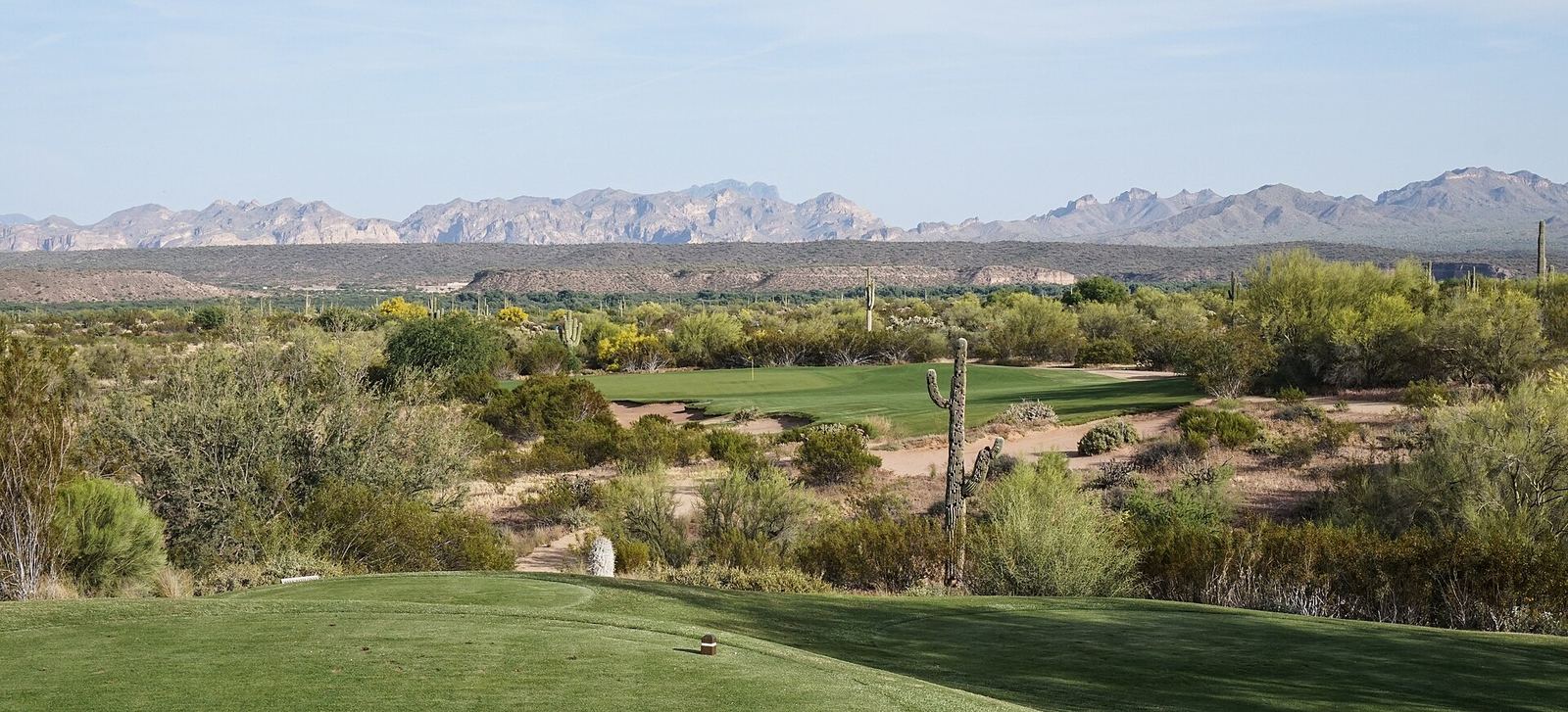
Two patterns are worth noticing. First, courses stagger their closures so there’s always somewhere open. The two courses at TPC Scottsdale, Troon North and We-Ko-Pa close on different dates, so one of each pair is open for most of the season, though their closures overlapped in 2026 by three days at TPC Scottsdale, six at Troon North and eleven at We-Ko-Pa. Second, the closures are shorter than they look on a calendar: a course that reopens on October 18 may still be cart-path-only, soft and thick for a few weeks afterwards. We publish Arizona’s full overseeding calendar, course by course, in a separate guide, and the state’s courses in our guide to Arizona’s best golf courses.
Elsewhere, the timing follows the same rule of temperature. In the Las Vegas valley, the club in GOLF’s report seeded in mid-September. In the Southeast, turf guidance for North Carolina puts the window at late September to mid-October. In Florida and along the Gulf Coast, it’s usually later, in October or November, and many courses there no longer overseed fairways at all.
Why is overseeding golf course turf falling out of favour?
Because of water, cost and better grass. GCSAA data reported by GOLF show the total projected acreage of overseeded turf on American golf courses fell 60% between 2005 and 2021. Water restrictions, rising seed and labour costs and tougher bermuda varieties have all pushed courses to overseed less or not at all.
The water story is the most dramatic. In Southern Nevada, GOLF reported, golf courses faced a 36% cut in their water allotments from January 1, 2024. Anthem Country Club in Henderson, which used to overseed about 90 acres of tees, fairways and rough every September, converted its fairways to a drought-tolerant bermuda and stopped overseeding them in 2022, stopped overseeding its tees in 2023, and now seeds only the rough, less than half its former acreage. The result, the club said, was a 20% cut in water use in 2023 against its six-year average.
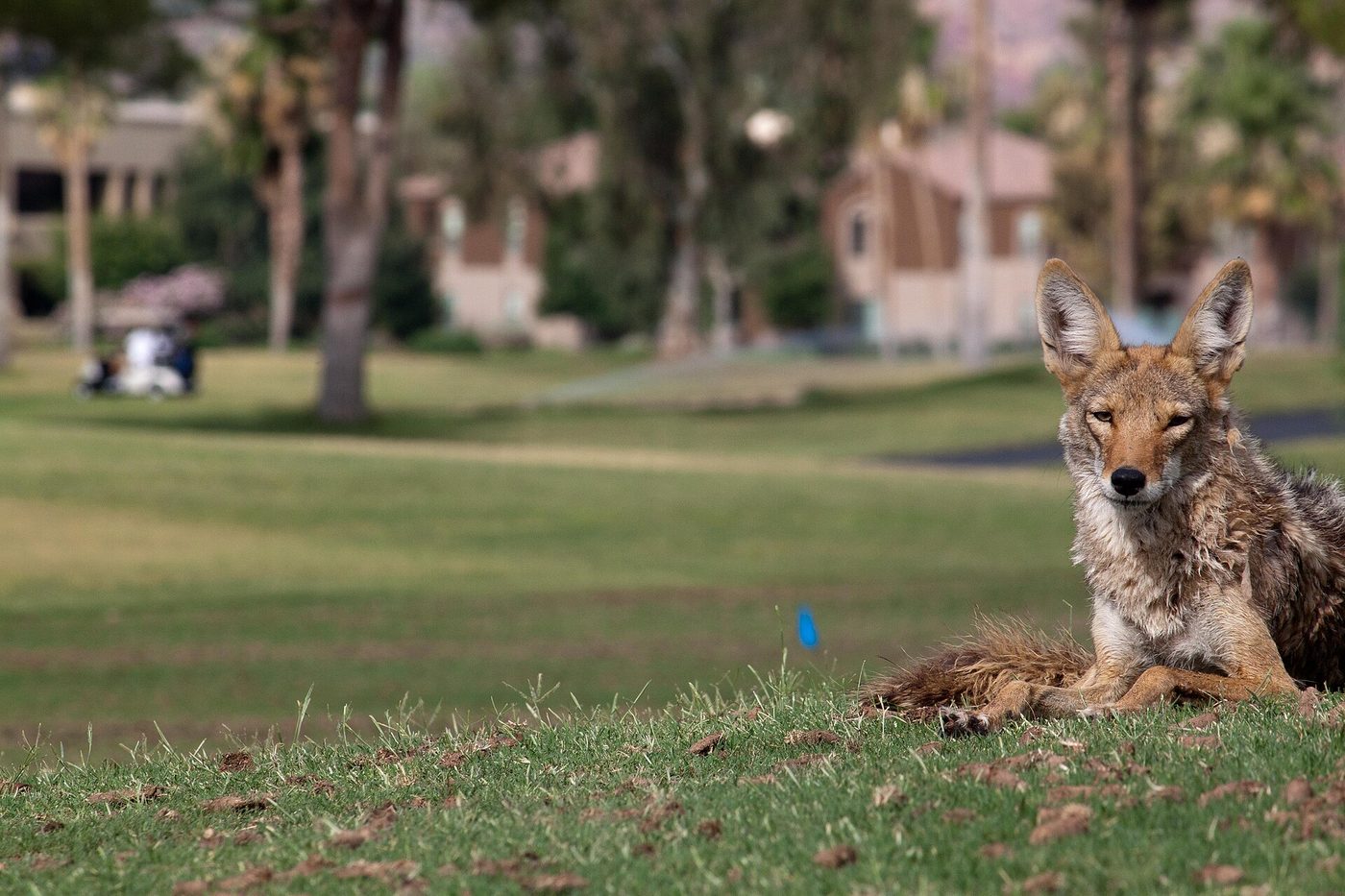
Cost is the second driver. Seed prices rose sharply after the pandemic, according to the same report, and overseeding consumes weeks of labour and lost revenue during the closure. Some courses that stop overseeding paint their dormant fairways green instead; GOLF reported a cost of about $9,500 per monthly application for 35 acres.
The third driver is the grass itself. Modern bermudas, especially the ultradwarf varieties now used on many southern greens, tolerate winter better than older strains, and courses have learned that dormant bermuda can play very well. Without ryegrass competing in spring, the bermuda also greens up faster and more evenly, so the course is in better shape for summer. For the full picture of how much water golf uses and how that’s changing, see our guide to how much water a golf course uses.
How overseeding affects your golf
For a golfer, overseeding shows up in five ways: closures, soft conditions, cart rules, prices and the spring transition.
- Closures. Expect two to four weeks closed, usually between mid-September and early November in the desert. Check the course’s dates before you book flights.
- Soft, thick conditions after reopening. Young ryegrass is soft and wet underfoot, and the ball doesn’t roll. Courses play longer than their yardage for several weeks; take an extra club and expect plugged balls.
- Cart-path-only rules. Many courses keep carts off the new grass for a while. Budget more time for your round and more walking.
- Prices. Overseeding sits between the cheap summer season and the expensive winter one. In Arizona, the courses that close in October reopen into rising rates, and the best value is often the first few weeks after reopening, before peak pricing starts in January.
- The spring transition. In late spring and early summer, as the ryegrass dies back and the bermuda returns, fairways can look patchy for a few weeks. It’s temporary, but worth knowing if you’re booking a May trip.
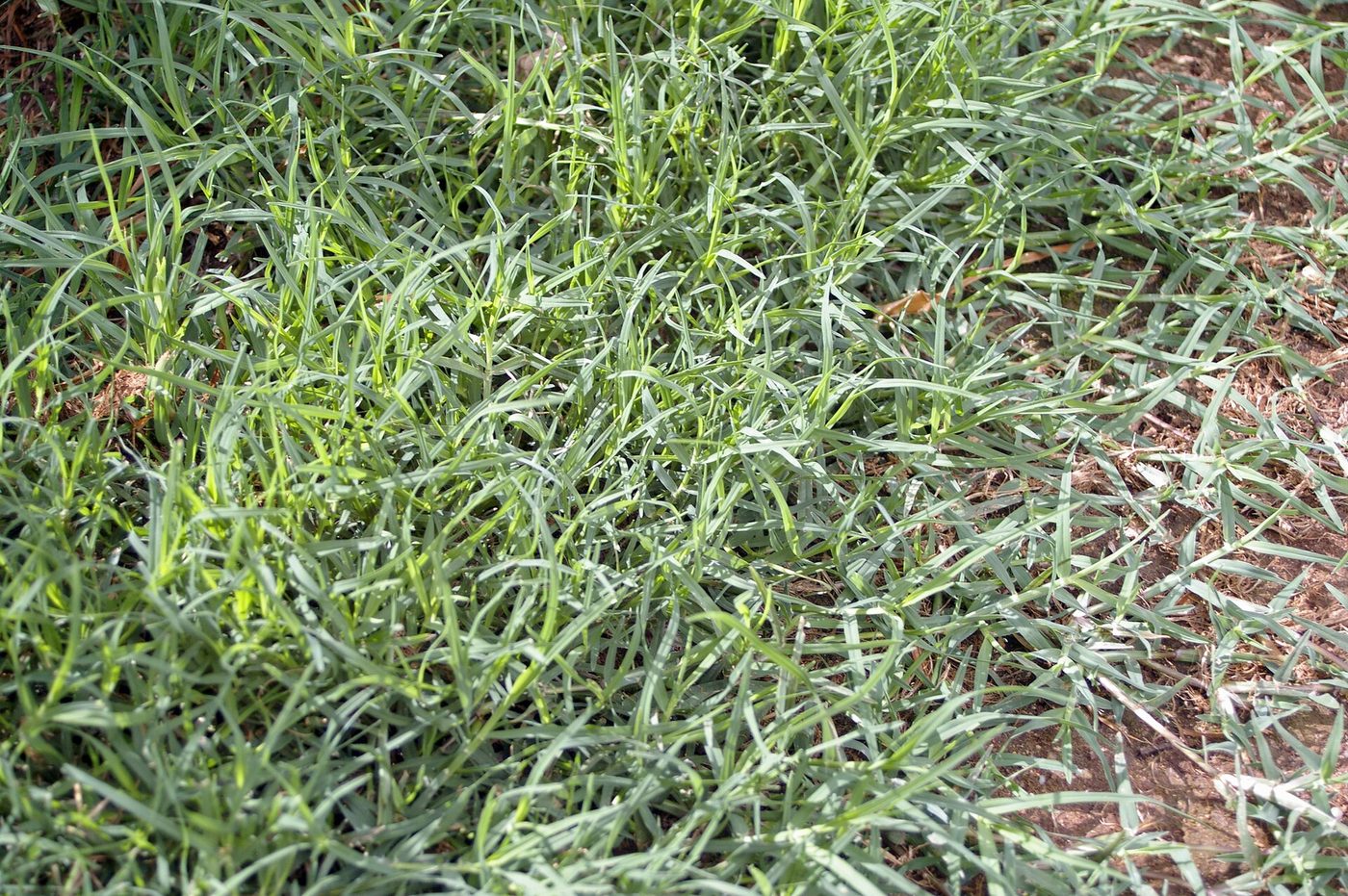
Overseeded or dormant: which is better for golfers?
It depends what you value. Overseeded ryegrass looks greener and gives softer, more forgiving lies; dormant bermuda is brown but firm and fast, and the ball runs a long way. Here’s how they compare:
| Overseeded (ryegrass over bermuda) | Dormant bermuda | |
|---|---|---|
| Colour | Green all winter | Straw-brown from late autumn to spring |
| Lies | Soft, grassy, forgiving; the ball sits up | Tight and firm; clean contact required |
| Roll | Slower; the course plays longer | Fast; golfers at one Las Vegas-area club told GOLF their drives go much farther |
| Autumn closures | Two to four weeks for seeding | None for overseeding |
| Spring | Patchy transition in late spring | Faster, more even green-up |
| Water | High, especially during establishment | Much lower |
| Who it suits | Golfers who like grassy lies and green views; higher handicappers who struggle from tight lies | Golfers who like firm, fast golf and running shots; value hunters |
There’s no wrong answer. If you like to pitch the ball and stop it, and you want photos that look like January in Scottsdale, play overseeded courses. If you like the ball running along the ground, links-style, dormant bermuda in the Carolinas or Texas in winter is some of the most enjoyable golf of the year, and often some of the cheapest. Our guide to Florida’s best golf courses notes how overseeded rye changes the way courses there play in winter.
Mistakes golfers make around overseeding season
- Booking a desert trip in October without checking the dates. Half the courses on your list may be closed.
- Assuming “reopened” means “back to normal”. A course that reopened last week will be soft, slow and probably cart-path-only.
- Playing your usual club into a freshly overseeded green. The ball stops quickly on young grass; you can be more aggressive with approach shots, but take more club from the fairway because the ball won’t run.
- Blaming the course for brown fairways. Dormant bermuda is a deliberate choice, often to save water, and it usually plays firmer and faster than overseeded grass.
- Missing the value window. In the desert, the weeks after reopening and before January’s peak rates are often the best prices of the winter.
- Expecting the same course in May as in February. The spring transition can leave fairways patchy for a few weeks.
The people who make all of these decisions are superintendents, and we explain what a golf course superintendent does, and how golf course maintenance works across the year, in separate guides.
Frequently asked questions
What does overseeding a golf course mean?
Sowing a cool-season grass, usually perennial ryegrass, into a course’s warm-season bermudagrass in autumn, so the course stays green and playable through winter while the bermuda is dormant. The ryegrass dies back the next summer, when the bermuda takes over again.
Why do golf courses close for overseeding?
To prepare the turf, sow the seed and keep traffic off while it germinates and establishes. In Arizona in 2026, closures ran about two and a half to four weeks per course, between mid-September and early November.
When do Arizona golf courses overseed?
Most overseed between mid-September and early November, closing in rotation. In 2026, TPC Scottsdale’s Champions Course closed first, on September 14, and the Boulders’ North Course reopened last, on November 1.
How long after overseeding can you play?
Most courses reopen two to four weeks after closing, but the new grass stays soft for a few more weeks, and many courses keep carts on the paths at first. Conditions usually improve steadily into November and December.
What grass is used to overseed golf courses?
Perennial ryegrass on fairways, tees and rough. On greens, some courses use rough bluegrass, or Poa trivialis, which gives a smoother putting surface; San Antonio’s municipal courses, for example, overseed their greens with Poa trivialis.
Do all southern golf courses overseed?
No. Many courses in Texas, the Carolinas and Florida leave their bermuda dormant in winter, which saves water and money and gives firm, fast conditions. GCSAA data show overseeded acreage fell 60% between 2005 and 2021.
Is overseeding bad for the environment?
It uses a lot of water, especially to establish the seedlings in autumn, which is why water-scarce regions are cutting back. A Las Vegas-area club that stopped overseeding its fairways and tees reported cutting its water use by 20%.
Why are golf course fairways brown in winter?
Because they’re dormant bermudagrass that hasn’t been overseeded. It isn’t dead; it turns green again when temperatures rise in spring, and in the meantime it usually plays firm and fast.
Our verdict
Overseeding golf course turf gives warm-climate courses their green winters, and in the desert it’s still the norm: if you’re planning an autumn trip to Arizona, the overseeding calendar matters as much as the green fees. But the practice is shrinking for good reasons. It’s thirsty, expensive and hard on the bermuda, and dormant turf plays better than its colour suggests.
For a golfer, the practical rules are simple. Check closure dates before booking anything between mid-September and early November; expect soft, slow, cart-path-only golf for a few weeks after a course reopens; look for value in the weeks before January’s peak rates; and don’t write off a brown course, which may be the firmest, fastest golf you’ll play all year. For the grasses behind all of this, see our guide to the grasses on America’s golf courses.
Sources
- Overseeding golf courses: fading popularity, Josh Sens, GOLF, December 1, 2023 (GCSAA acreage data; Anthem Country Club; Southern Nevada water allotments)
- Why do courses overseed?, Alamo City Golf Trail, September 3, 2025
- Overseeding bermudagrass with ryegrass, SportsField Management (seeding rates)
- Overseeding bermudagrass fields on the north edge of the transition zone, SportsField Management (timing)
- Turfgrass Information Center, Michigan State University Libraries (archive of historic turf guidance, including putting-green overseeding rates)
- Arizona 2026 overseeding dates from the courses’ websites: TPC Scottsdale, We-Ko-Pa, Troon North, Grayhawk, The Boulders, Quintero, Arizona Biltmore
Image credits
| Image | Photographer | Licence | Source |
|---|---|---|---|
| The Phoenician, Canyon course, 7th hole (featured image) | Bernard Gagnon | CC BY-SA 3.0 | Wikimedia Commons |
| Perennial ryegrass (Lolium perenne) | Alexis | CC BY 4.0 | Wikimedia Commons |
| TPC Scottsdale Stadium Course during the WM Phoenix Open | Gage Skidmore from Surprise, AZ, United States of America | CC BY-SA 2.0 | Wikimedia Commons |
| Augusta National, 10th hole | Mbrooks | public domain | Wikimedia Commons |
| Rough bluegrass (Poa trivialis) | Skjold Søndergaard | CC BY 4.0 | Wikimedia Commons |
| We-Ko-Pa Golf Club, Saguaro Course, 15th hole | Bernard Gagnon | CC BY-SA 3.0 | Wikimedia Commons |
| A coyote on a Scottsdale fairway during maintenance | Dru Bloomfield from Scottsdale, Arizona, USA | CC BY 2.0 | Wikimedia Commons |
| Bermudagrass (Cynodon dactylon) | Bidgee | CC BY-SA 3.0 | Wikimedia Commons |