How much does a country club membership cost? At a typical private club, expect a one-time initiation fee in the tens of thousands of dollars and annual dues of about $9,000 to $11,000. Club Benchmarking data put the median initiation fee at $50,000 in 2022. The published fee schedules we found run from $20,000 to $125,000 to join, and the most exclusive clubs reportedly charge far more.
Country club membership cost is one of the most searched and least transparent subjects in golf. Most clubs don’t publish their fees, the ones that do publish them in PDFs buried on the members’ side of the website, and much of what you’ll read online is an estimate dressed up as a fact. This guide separates the three. We show you real fee schedules published by named clubs, what the industry’s own surveys say about averages and trends, and what reputable outlets have reported about the most exclusive clubs, with every figure labelled by where it came from. Then we explain every cost that comes with a membership, from the initiation fee to the food minimum, and how to get private-club golf for less.
How we built this. Every figure in this guide is labelled. “Published” means the club’s own fee schedule, which we checked in September 2026. “Survey” means industry research, mainly Club Benchmarking and the Club Management Association of America, as reported by the trade and sports press. “Reported” means a named news outlet, with its date. We never present an estimate as a price, and fee schedules change every year, so always get the current one from the club before you apply. If you’re only looking for a place to play, our guide to what a round of golf costs covers public courses.
At a glance
- Median initiation fee: $50,000 in 2022, up 72% from $29,000 in 2019 (Club Benchmarking, reported by Front Office Sports)
- Average annual dues: about $10,700, median $9,100 (industry survey, 2024)
- Top-quartile clubs: initiation fees over $100,000 and dues of $14,000 to $22,000 a year (Club Benchmarking, 2025)
- Share of clubs with a waitlist: 45% in 2025 (Club Benchmarking)
- Highest published initiation fee we found: $125,000 for golf at Hunters Run in Boynton Beach, Florida, plus $25,820 a year in dues (2025-26)
- Cheapest route to club golf: a municipal men’s or women’s club, such as the Presidio’s in San Francisco, at $145 to join
- Augusta National: no official figure; GOLF reported estimates of $40,000 to $500,000 to join (April 2026)
Country club membership cost at a glance
Here’s what membership costs at each level of private golf, with real examples.
| Club type | Initiation fee | Annual dues | Examples (source) |
|---|---|---|---|
| Municipal or public-course men’s or women’s club | None or under $200 | $125-$2,150 | Presidio (San Francisco) $145 to join, $125 renewal; Winter Park (Florida) annual membership $1,350 resident, $2,150 non-resident (published) |
| Low-cost or semi-private country club | None to a few thousand | About $1,300-$10,000 | Braemar (New York) family unlimited $1,314 (published, 2024); Invited’s Brookhaven (Texas) full golf bundle $7,500 a year (published; initiation on request) |
| Typical private club | $20,000-$50,000+ | About $9,000-$11,000 | Cascade Hills (Michigan) $40,000 regular, $20,000 junior (published, 2026); median initiation $50,000 (survey, 2022) |
| Upscale private club | $75,000-$125,000+ | $14,000-$26,000 | PGA National (Florida) full golf $75,000, dues up to $25,000 (published, 2025); Hunters Run (Florida) $125,000, dues $25,820 (published, 2025-26) |
| Elite club | Rarely published; reported in six or seven figures | Rarely published | Augusta National estimates $40,000-$500,000 (reported, GOLF, 2026); Liberty National $500,000 (reported, Forbes, 2009) |
Published figures from each club’s own fee schedule; survey figures from industry research as reported in the trade and sports press; reported figures from named outlets. Checked September 2026.
How much does it cost to join a country club?
At a typical private club, tens of thousands of dollars. Club Benchmarking data put the median initiation fee at $50,000 in 2022, up from $29,000 in 2019. Published schedules we found range from $20,000 for a junior member at Cascade Hills in Michigan to $125,000 at Hunters Run in Florida.
The initiation fee, sometimes called a joining fee or equity purchase, is a one-time payment to become a member. It’s the biggest number in private golf and the one that varies most: by region, by the club’s prestige, by whether you’re buying an equity share, and by whether any of it comes back to you when you leave. Some clubs charge nothing to join and make their money on dues; the most exclusive charge hundreds of thousands of dollars and may not tell anyone outside the club what that figure is.
The other thing that varies is who can pay it. At many clubs, you can’t simply buy a membership. You need a sponsor, an application, an interview and a committee’s approval, and you may join a waitlist before you get to pay anything at all. We explain how initiation fees work, and how to join a country club step by step, in separate guides.
What the industry surveys show
The best data on private club costs comes from Club Benchmarking, a firm that collects financial data from more than a thousand clubs, and from surveys run with the Club Management Association of America (CMAA). Here’s what their figures, as reported by the trade and sports press, show.
| Measure | Figure | Source and date |
|---|---|---|
| Median initiation fee | $29,000 (2019) to $50,000 (2022), up 72% | Club Benchmarking, reported by Front Office Sports |
| Median initiation fee, top-quartile clubs | Over $100,000 | Club Benchmarking, 2025 |
| Annual operating dues, top-quartile clubs | $14,000-$22,000 | Club Benchmarking, 2025 |
| Average and median annual dues | $10,700 average; $9,100 median | Club Leaders Perspective Report, 2024 |
| Growth in initiation fees | Nearly twice the rate of general inflation, 2020-2025 | CMAA and Club Benchmarking finance survey of 1,200+ clubs, reported April 2026 |
| Clubs with a waitlist | 45% in 2025, down from 47%-49% in 2022-23 | Club Benchmarking, 2025 |
| Planned dues increases for 2026 | About 6.2% on average | Industry survey coverage, 2025-26 |
| Food and beverage minimum | Typically $1,500-$3,000 a year | Industry compilation, 2026 |
Three conclusions follow. First, joining costs have risen far faster than prices in general: the median initiation fee rose 72% in three years, and CMAA’s survey found fees rising at nearly twice the rate of inflation through 2025. Second, demand is still strong but cooling: nearly half of clubs had a waitlist in 2025, slightly fewer than at the post-pandemic peak. Third, dues are rising too, by about 6% a year, faster than inflation. A club’s dues this year are a floor, not a ceiling.
A word of caution about all these figures. They come from clubs that take part in industry benchmarking, which may not be typical of every club in the country, and a median hides a huge range: a small club in the rural Midwest and a Palm Beach club with a waitlist can sit in the same dataset. Use the survey numbers to understand the trend, and the published schedules below to understand the price.
Real fee schedules from named clubs
Averages only go so far. Here’s what real clubs charge, from their own published fee schedules.
Hunters Run, Boynton Beach, Florida
Boynton Beach, Fla. · private golf club · golf membership · initiation $125,000 plus a $2,500 administration fee and a $1,000 capital contribution · dues $25,820 a year · food and beverage minimum $1,400 (family) or $1,050 (single) · capital assessment $1,800 a year; common-area maintenance about $3,612 a year (published, fiscal year November 2025 to October 2026)
Hunters Run is a large private club community in Palm Beach County, and its dues schedule is a model of what a full cost breakdown looks like. A new family golf member pays $128,500 to join, then about $32,600 a year in dues, capital assessment, maintenance and the food minimum. That’s roughly $161,000 in the first year, before a single cart fee or guest fee.
PGA National Resort (Members Club), Palm Beach Gardens, Florida
Palm Beach Gardens, Fla. · resort members’ club · full golf membership · initiation $75,000 · dues $25,000 a year (family) or $22,500 (individual) · food and beverage minimum not shown (published, effective February 19, 2025)
PGA National is a resort, but its members’ club sells memberships that include access to its courses, including the Champion Course, home of the PGA Tour’s Cognizant Classic. A family full-golf member pays $100,000 in the first year and $25,000 a year after that.
Cascade Hills Country Club, Grand Rapids, Michigan
Grand Rapids, Mich. · private country club · regular membership (age 35 and over) $40,000 initiation; junior membership (ages 21 to 34) $20,000 · dues not extracted from the published sheet (published, 2026)
Cascade Hills is a good example of a well-established Midwestern country club, and of how clubs price younger members. A 34-year-old joins for half what a 35-year-old pays, a common way for clubs to bring in the next generation. We cover young executive memberships separately.
Invited clubs (formerly ClubCorp)
Brookhaven Country Club, Farmers Branch, Texas: full golf membership with XLife, $7,500 a year bundle; initiation fee on request · Trophy Club Country Club, Trophy Club, Texas: social membership from $235 a month, racquet from $290 a month; golf on request (published, 2026)
Invited, the largest owner of private clubs in the country, publishes some of its membership prices online, but usually not the golf initiation fee, which is given on request. Its model is lower entry costs and monthly dues, with access to a network of clubs. We explain what Invited memberships cost in a separate guide.
Lakewood Ranch Golf & Country Club, Florida
Lakewood Ranch, Fla. · private club in a large planned community · social membership $185 a month (published, January 2026); full golf membership not shown on the published sheet
Lakewood Ranch shows the other end of the membership menu: a social membership that gives you the clubhouse, dining and pool without the golf, for about $2,220 a year.
Golf community clubs: The Landings, Reynolds Lake Oconee and Dataw Island
The Landings, Savannah, Ga.: full golf $80,000 to join, associate golf from $50,000, national golf $35,000 (reported, June 2026) · Reynolds Lake Oconee, Greensboro, Ga.: Silver $30,000 and Platinum $60,000 (club’s own blog, 2022), reported at $45,000 and $90,000 in 2026 · Dataw Island, S.C.: club and owners’ association membership mandatory with a home (published)
Clubs inside golf communities work differently from stand-alone country clubs. At The Landings, a six-course club on Skidaway Island near Savannah, you buy a home and then choose whether to join; a full golf membership was reported at $80,000 in June 2026, with cheaper associate and national tiers. Reynolds Lake Oconee shows how quickly those fees can move: the joining fees reported for 2026 are 50% above the figures the club itself published in 2022. And at Dataw Island near Beaufort, membership isn’t optional at all: the club says membership of both the club and the owners’ association is mandatory with a home. If you’re buying in a golf community, the club’s fee schedule belongs in the same folder as the house’s inspection report.
What are the ongoing costs of a country club membership?
Annual dues are the biggest, typically about $9,000 to $11,000 at an average club and $14,000 to $22,000 at top-quartile clubs, according to industry surveys. On top come food and beverage minimums, capital dues and assessments, and charges for carts, lockers, caddies and guests.
Here’s every cost that can come with a membership:
| Cost | What it is | Typical range or example |
|---|---|---|
| Initiation fee | One-time fee to join; may be an equity share or partly refundable | Median $50,000 (2022, survey); $20,000-$125,000 in published schedules |
| Annual dues | The club’s operating charge | Median $9,100 (survey); $25,820 at Hunters Run (published) |
| Food and beverage minimum | Amount you must spend in the club’s restaurants; unspent balance is usually lost | Typically $1,500-$3,000 a year (survey); $1,400 at Hunters Run (published) |
| Capital dues or assessments | Charges to pay for new clubhouses, course renovations and equipment | $1,800 a year at Hunters Run (published); one-off assessments can run into five figures |
| Cart and trail fees | Using a club cart, or your own | Annual cart plans or per-round fees |
| Locker, bag storage and club cleaning | Annual or per-use fees | Varies by club |
| Caddie fees and tips | At clubs with caddie programmes | Per round, plus tip |
| Guest fees | What you pay when you bring a guest | Per round |
| Taxes and service charges | Sales tax and service charges on food and fees | Varies by state |
A worked example. At Hunters Run, a family golf member’s first year costs $125,000 initiation, $2,500 administration and $1,000 capital contribution, then $25,820 in dues, $1,800 capital assessment, about $3,612 in maintenance and a $1,400 food minimum. That’s about $161,000 in year one and about $32,600 a year after that, before carts, guests and tips. Spread over ten years, the joining fee alone adds $12,850 a year to the true cost of membership.
Plan for rising dues. Dues aren’t fixed. Clubs planned average increases of about 6.2% for 2026, according to industry survey coverage. If a club kept raising dues at that rate, Hunters Run’s $25,820 would become about $27,420 in year two, $29,120 in year three, $30,930 in year four and $32,840 in year five: about $146,000 in dues over five years, before any assessment. That’s an illustration, not a forecast, but it’s why a club’s current dues are the starting point, not the price you’ll pay for as long as you’re a member.
Plan for assessments. Capital assessments, when a club charges members for a new clubhouse, a course renovation or an irrigation system, are the cost that surprises new members most. Industry compilations put one-off assessments at $5,000 to $50,000 per project at quality private clubs. Before you join, ask whether any assessments are planned, when the last one was, and whether new members have to pay them.
Country club membership costs by region
Where you live changes the price more than almost anything else. Here’s what the published and reported figures in this guide show, region by region. Treat them as examples, not averages: every club sets its own fees.
| Region | Club | Initiation | Dues | Source |
|---|---|---|---|---|
| South Florida | Hunters Run, Boynton Beach | $125,000 | $25,820 a year | Published, 2025-26 |
| South Florida | PGA National Members Club | $75,000 | $22,500-$25,000 a year | Published, 2025 |
| Gulf Coast Florida | Lakewood Ranch Golf & Country Club | Golf not shown; social $185 a month | Not shown | Published, 2026 |
| Midwest | Cascade Hills, Grand Rapids | $20,000-$40,000 | Not extracted | Published, 2026 |
| Midwest | Oneida, Green Bay | Introductory $4,000 over four years | About $477-$826 a month | Reported, 2025 |
| Texas | Brookhaven (Invited), Dallas area | On request | $7,500 a year bundle | Published, 2026 |
| Northeast | Braemar, Rochester area | None | $1,314 a year (family unlimited) | Published, 2024 |
| Georgia golf community | The Landings, Savannah | $80,000 full golf | Not published | Reported, June 2026 |
| South Carolina golf community | Palmetto Bluff, Bluffton | $300,000 (Tier I) | $22,000 a year | Reported, 2026 |
| Arizona golf community | Desert Mountain, Scottsdale | About $250,000 | About $2,472 a month | Reported by a real-estate blog, 2026 |
Three patterns stand out. First, Palm Beach County in Florida is dense with private club communities, and the two published schedules we found there ask $75,000 to $125,000 to join and more than $22,000 a year in dues. Second, the Midwest and Northeast offer far lower entry points: Cascade Hills asks $40,000 for a regular member, and Braemar’s family membership was $1,314 for its 2024 season. Third, the clubs inside the big golf communities of the Southeast and Southwest sit at the top of the market, with six-figure joining fees that usually come with buying property in the community.
What elite clubs charge, and why you rarely know
The most exclusive clubs in America don’t publish their fees, and the figures you’ll see online are mostly guesses. Here’s what reputable outlets have reported.
| Club | Reported figure | Source |
|---|---|---|
| Augusta National | No official figure; estimates reported from $40,000 to $500,000 to join and $10,000 to $50,000 a year | GOLF, April 8, 2026 |
| Liberty National (New Jersey) | “$500,000 plus annual dues” | Forbes, July 24, 2009 |
| Palmetto Bluff (South Carolina golf community) | Tier I $300,000 to join and $22,000 a year from May 2026 | Local newspaper report, 2026 |
| Desert Mountain (Scottsdale golf community) | Full golf about $250,000 in 2026 | Local real-estate blog; not confirmed by the club |
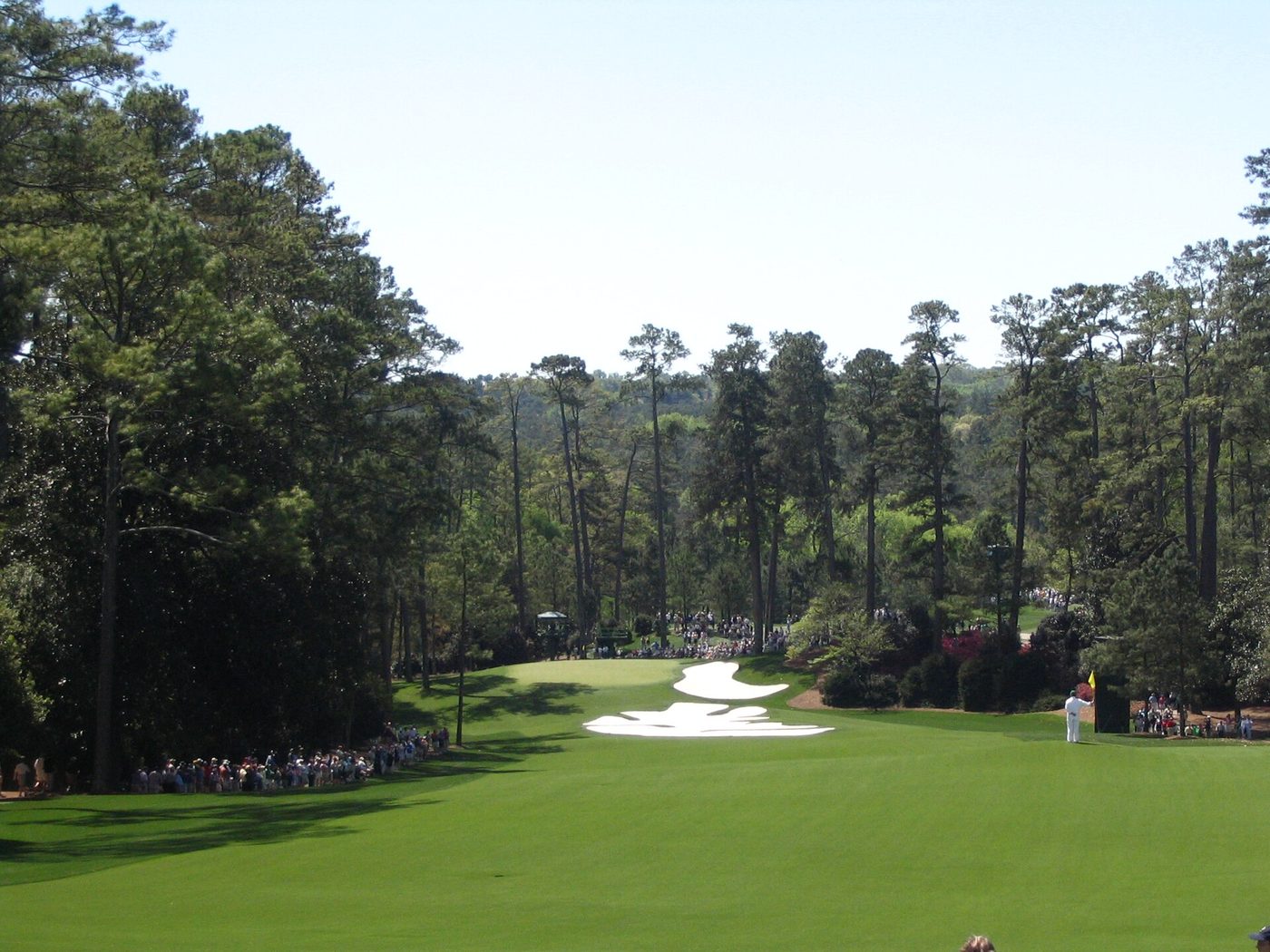
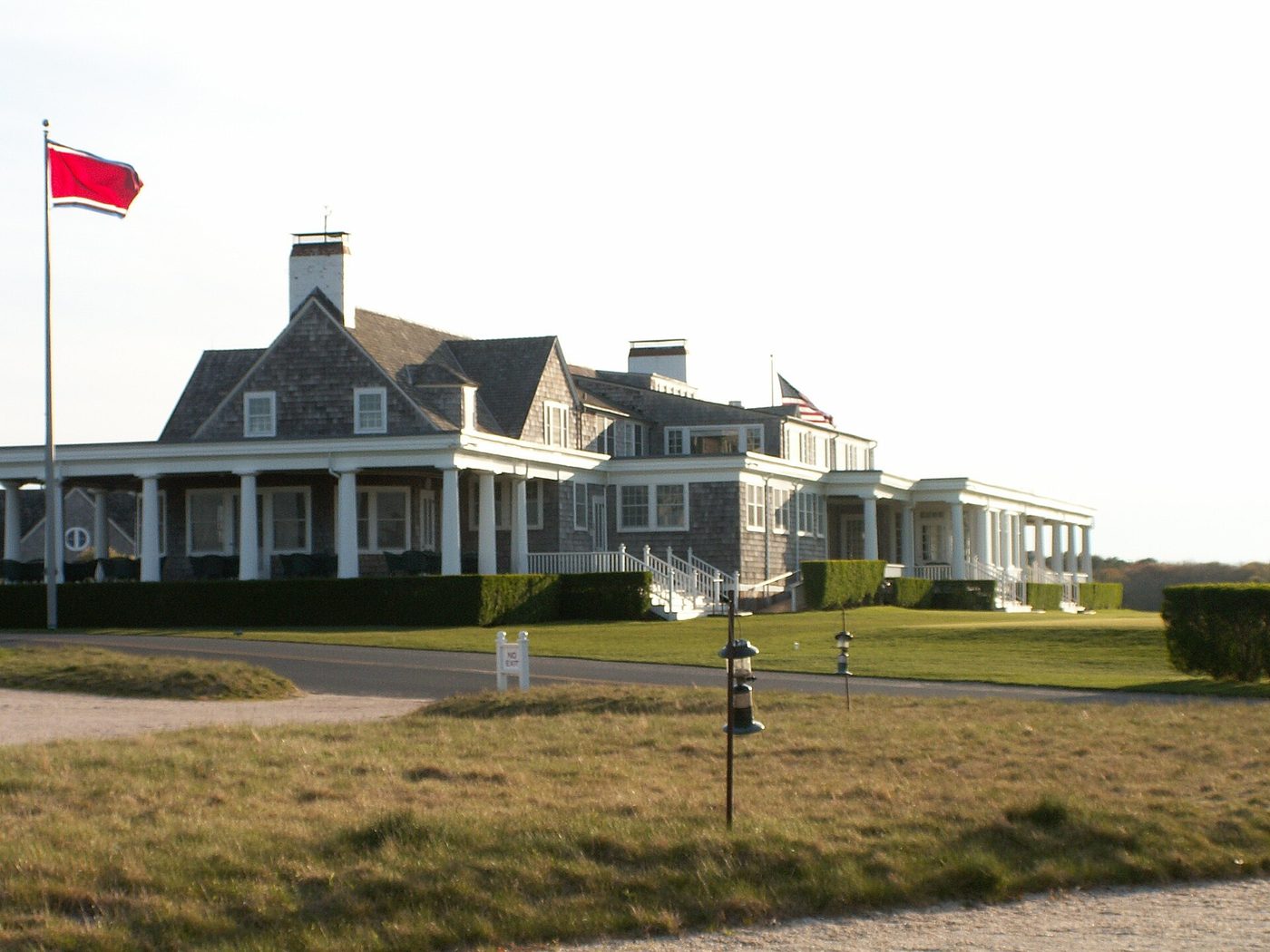
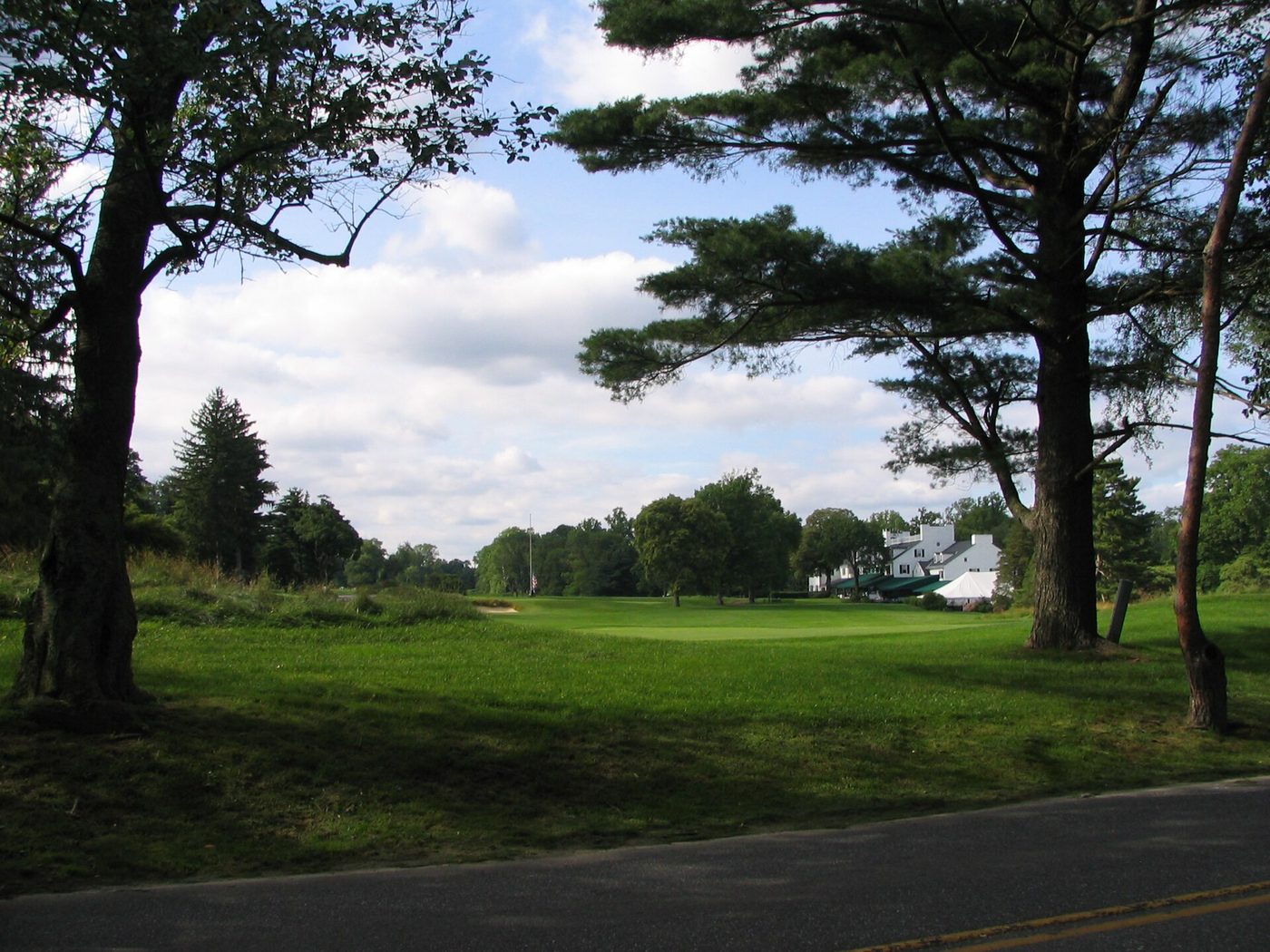
For the great private clubs at the top of the rankings, Pine Valley, Cypress Point, Shinnecock Hills, Merion, Winged Foot and the rest, there is no reliable public figure at all. Membership is by invitation, the fees are known only to members, and anyone quoting a precise number is guessing. Our guide to the best golf courses in America covers which of the top-ranked clubs are private. We look at the most expensive golf club memberships in America, and whether you can play Augusta National, in separate guides.
Why are initiation fees rising so fast?
Demand. Golf’s post-pandemic boom filled private clubs, and many still have waitlists: 45% of clubs in Club Benchmarking’s 2025 data. With more would-be members than places, clubs raised initiation fees at nearly twice the rate of inflation from 2020 to 2025, and increasingly use them to pay for capital projects.
There’s a second reason. Clubs have long needed money for new clubhouses, course renovations and irrigation systems, and they used to raise it by assessing existing members. Industry surveys now show that in a growing number of clubs, initiation fees cover more than three-quarters of capital income. In effect, new members are paying for the improvements, which keeps existing members’ bills down and makes clubs keen to keep joining fees high while demand lasts.
For a prospective member, that has two implications. First, fees are unlikely to fall soon at popular clubs. Second, clubs without waitlists, often smaller or less fashionable ones, may be open to negotiating, offering payment plans or running introductory programmes. Oneida Golf & Country Club in Green Bay, Wisconsin, for example, was reported by Country Club Magazine in 2025 to offer an introductory membership with a $1,000-a-year initiation spread over four years and reduced dues of about $477 a month, against $826 for a regular member.
Equity vs non-equity, refundable vs non-refundable
The type of membership affects what you get back when you leave.
- Equity membership: you buy a share of the club, which is owned by its members. You usually vote on the club’s affairs, and when you leave, you may be able to sell your share, sometimes for less than you paid.
- Non-equity membership: the club is owned by a company or developer, and you’re paying for the right to use it. You don’t own anything and usually don’t vote.
- Refundable initiation: part of the fee is returned when you resign, often only after a new member joins to take your place.
- Non-refundable initiation: the fee is gone once paid.
Ask for the club’s bylaws and membership plan before you apply, and read the resignation terms carefully. We explain equity and non-equity memberships in more detail separately.
Membership categories: full, social, junior and national
Most clubs sell several kinds of membership at very different prices:
- Full golf: unlimited golf and all club facilities. The most expensive category.
- Junior or young executive: full or near-full privileges at a discount for members under a certain age, often 35 or 40. Cascade Hills charges $20,000 for ages 21 to 34 against $40,000 for regular members.
- Social: dining, pool and events, but no golf or limited golf. Lakewood Ranch charges $185 a month.
- Sports or racquet: tennis, pickleball and fitness. Trophy Club Country Club’s racquet membership starts at $290 a month.
- National or non-resident: for members who live more than a set distance away, with limited visits and much lower fees. We cover national memberships separately.
- Corporate: memberships held by a company for its executives.
What does a membership include?
At most private clubs, a full golf membership buys you more than the course. Typically it includes:
- Tee-time priority, often with members-only times at weekends
- Guest privileges, usually with a guest fee per round and limits on how often the same guest can play
- Practice facilities, from the range to short-game areas
- Handicaps and competitions, including club championships and member-guest events
- Dining, pool, tennis and fitness, at a country club rather than a golf-only club
- Caddie programmes at some clubs, with caddie fees charged per round
What it usually doesn’t include is carts, lockers, club storage, food and drink beyond the minimum, and guest fees, all of which are charged separately. Ask for the full list of what’s included and what’s extra before you apply.
Cheaper ways to get club golf
If the numbers above are out of reach, there are other ways to get a club’s golf and social life.
- Join a public-course club. Many municipal courses have men’s and women’s clubs with handicaps, competitions and a social calendar. The Presidio Golf Course’s club in San Francisco costs $145 to join and $125 a year to renew.
- Buy an annual membership at a public course. The city of Winter Park, Florida, sells annual memberships at its course for $1,350 for residents and $2,150 for non-residents.
- Look at low-cost country clubs. Braemar Country Club near Rochester, New York, published a family unlimited membership at $1,314 for its 2024 season.
- Try a chain club or network. Invited’s Brookhaven Country Club in Texas sold a full-golf bundle at $7,500 a year in 2026, with the initiation fee given on request.
- Ask about introductory programmes, like Oneida’s in Wisconsin, at clubs without waitlists.
- Play as a guest. The cheapest way to play a private course is to be invited. We explain how to play a private course without joining, how reciprocal play works between clubs, and the difference between private and semi-private courses, in separate guides.
- Buy into a golf community. Some communities bundle golf into a monthly fee; see our guide to golf course communities.
For memberships and passes at public courses, see our guide to golf memberships at public courses.

How do you join a country club?
Usually by sponsorship. Most private clubs ask for one or two members to propose you, an application and interview, and approval by a membership committee. Then you pay the initiation fee, sometimes with a payment plan, and start paying dues. Some clubs have waitlists, and some sell memberships openly.
The steps, in order:
- Decide what you want: full golf, social or sports, and how often you’ll use it.
- Shortlist clubs and ask for their fee schedules in writing: initiation, dues, food minimum, capital dues, assessments and any planned increases.
- Ask about the waitlist and the membership process. Some clubs need sponsors; others have a membership director who will show you around.
- Play the course as a guest before you apply, at different times of the week.
- Read the bylaws and the membership plan, especially the rules on equity, refunds, resignation and assessments.
- Apply and interview. Expect questions about why you want to join and who you know at the club.
- Pay the initiation fee and start dues once you’re approved, and learn the club’s customs. We cover private club etiquette separately.
Country club vs golf club
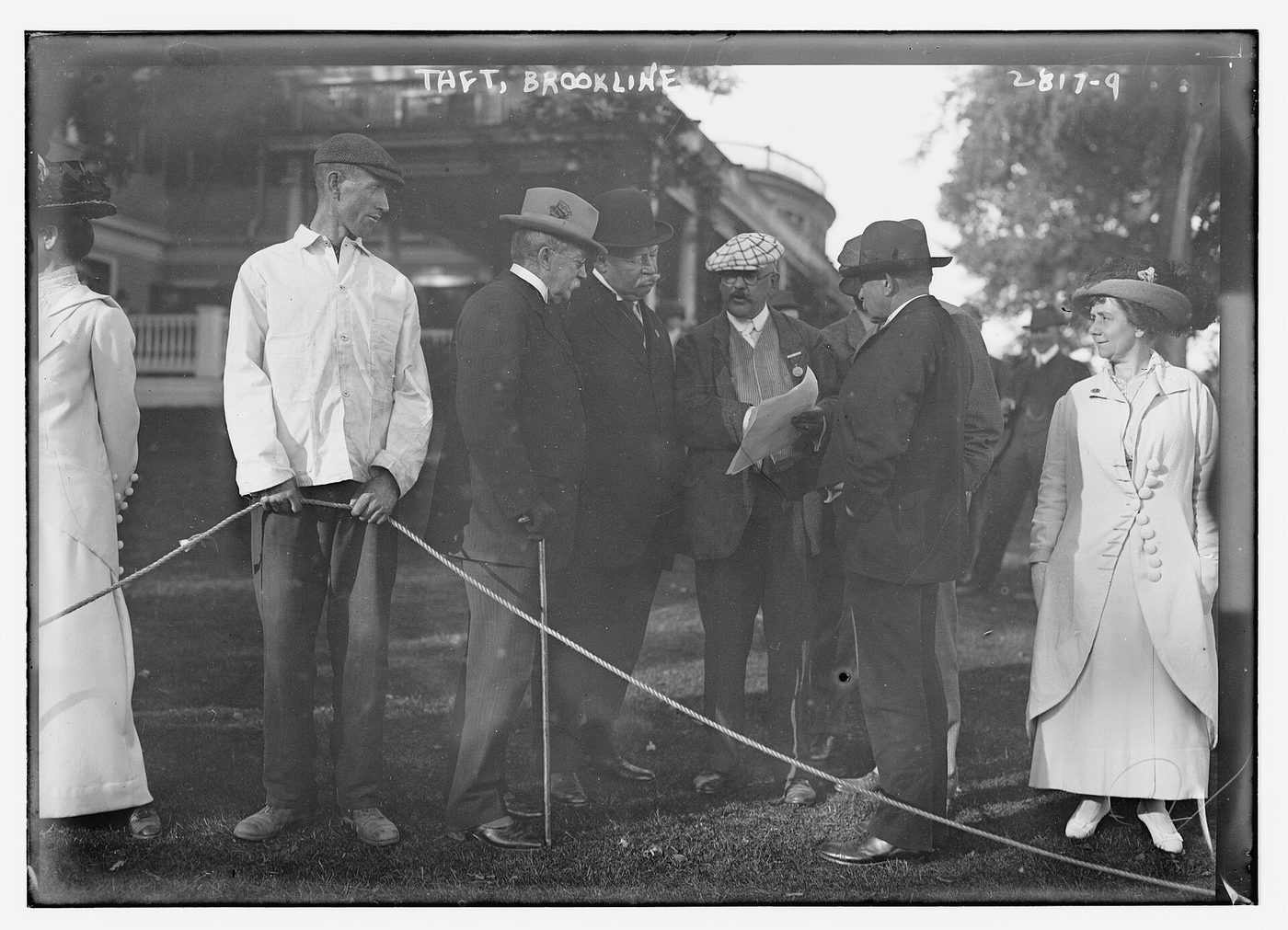
The terms are often used interchangeably, but there is a difference. A country club usually offers golf alongside tennis, swimming, dining and a social calendar for families; a golf club is usually focused on golf, with fewer other amenities and often lower dues. The Country Club in Brookline, Massachusetts, founded in 1882, is one of the oldest country clubs in America. We explain the difference between a country club and a golf club in more detail separately.

When a country club membership is worth it
It depends on how much you’ll use it. As a rough test, divide your total annual cost (dues, food minimum, capital dues and the initiation fee spread over the years you expect to stay) by the rounds you’ll play. At Hunters Run, a family paying about $32,600 a year, plus $12,850 a year for the joining fee over ten years, would pay about $450 a round if they played 100 rounds, or about $227 a round at 200. At a public course, the same round might cost $50 to $150.
On pure golf economics, a private club rarely wins unless you play a great deal. What you’re buying is something else: no waiting for tee times, a course in consistently good condition, a regular group of playing partners, and a clubhouse and social life for your family. If those matter to you, a membership can be worth far more than the per-round arithmetic suggests. If they don’t, a good public course and a resident card will serve you better.
Before you decide, ask yourself and the club these questions:
- How often will I really play? Count the rounds you played last year, not the ones you hope to play.
- Who else in my family will use it? A pool, tennis courts and a dining room used by the whole family change the arithmetic.
- How long will I stay? The longer you stay, the less the initiation fee costs per year.
- What happens when I leave? Is any of the initiation fee refundable, and does that depend on a new member joining?
- What are the club’s finances like? Ask about membership numbers, the waitlist, reserves and planned capital projects.
- Can I get a tee time when I want one? A crowded club is poor value, whatever it costs.
- Do I like the members? You’re joining a community as much as a golf course. Play with members as a guest before you apply.
Frequently asked questions
How much does a country club membership cost?
At a typical private club, an initiation fee in the tens of thousands of dollars (median $50,000 in 2022, according to Club Benchmarking) and annual dues of about $9,000 to $11,000. Published schedules we found range from $20,000 to $125,000 to join.
What is the average country club initiation fee?
Club Benchmarking data put the median at $50,000 in 2022, up from $29,000 in 2019, and top-quartile clubs at more than $100,000 in 2025. Industry surveys found initiation fees rising at nearly twice the rate of inflation from 2020 to 2025.
What are average country club dues?
About $10,700 a year on average and $9,100 at the median, according to a 2024 industry survey. Top-quartile clubs charge $14,000 to $22,000 a year in operating dues, and clubs planned average increases of about 6% for 2026.
How much does Augusta National membership cost?
Nobody outside the club knows. Augusta National has never published its fees, and membership is by invitation only. GOLF reported in April 2026 that estimates range from $40,000 to $500,000 to join and $10,000 to $50,000 a year.
What is a food and beverage minimum?
An amount members must spend in the club’s restaurants and bars each year, typically $1,500 to $3,000. If you spend less, you’re usually charged the difference. At Hunters Run in Florida, the 2025-26 minimum is $1,400 for a family and $1,050 for a single member.
Is the initiation fee refundable?
Sometimes. At equity clubs, you may be able to sell your membership share when you leave. Some non-equity clubs refund part of the initiation fee, often only after a replacement member joins. Many fees are non-refundable. Read the membership plan before you pay.
What is the cheapest way to join a golf club?
Join a men’s or women’s club at a public course, which usually costs under $200 a year, or buy an annual membership at a municipal course. The Presidio’s club in San Francisco costs $145 to join, and Winter Park, Florida, sells annual memberships from $1,350.
Do you need to be invited to join a country club?
At many private clubs, yes: you need one or two members to sponsor you, and a committee approves new members. Some clubs, including resort and chain clubs, sell memberships openly through a membership director.
How much are country club dues per month?
At an average club, about $760 to $890 a month, based on survey figures of $9,100 median and $10,700 average a year. Published schedules vary widely: Hunters Run’s $25,820 a year works out at about $2,150 a month, while Oneida in Wisconsin was reported at about $826 a month for a regular member.
Are country club fees going up?
Yes. Industry survey coverage found clubs planning dues increases of about 6.2% on average for 2026, and initiation fee increases averaging about 8.7%, though most clubs planned rises of under 5%. Initiation fees rose at nearly twice the rate of inflation from 2020 to 2025.
Our verdict
Country club membership cost is best thought of in two parts: the price of getting in, and the price of staying. Getting in costs tens of thousands of dollars at a typical club and more than $100,000 at the best ones, and those fees have risen far faster than inflation since 2019. Staying costs $9,000 to $26,000 a year in dues, plus a food minimum, capital charges and extras.
If you’ll play three or four times a week and value the community, a good club can be worth it. If you’ll play once a week, a public course, a resident card and a men’s or women’s club will give you most of the golf for a tiny fraction of the cost. And whatever you’re considering, ask for the fee schedule in writing, because the only country club membership cost that matters is the one on the club’s current schedule, not the one on a website.
Sources
- Country club initiation fees soar with golf’s popularity, Front Office Sports (Club Benchmarking data)
- How country club initiation fees really work in 2026, Private Club Marketing
- Dues and initiation fees, Club Benchmarking
- Club Finance and Operations Survey (CMAA and Club Benchmarking), CMAA Board Brief, April 2026
- Club Leaders Perspective Report, 2024
- Hunters Run 2025-26 dues schedule, Hunters Run, Boynton Beach, Florida
- PGA National Resort club membership pricing, effective February 19, 2025
- Cascade Hills Country Club, 2026 membership fee sheet
- Lakewood Ranch Golf & Country Club, 2026 membership pricing
- Brookhaven Country Club membership and Trophy Club Country Club membership, Invited
- Winter Park Golf Course annual memberships, City of Winter Park
- Presidio Golf Course
- Braemar Country Club, 2024 season rates
- Oneida Golf & Country Club introductory membership, as reported by Country Club Magazine, 2025
- Augusta National membership estimates, GOLF, April 8, 2026
- “The cost of membership: $500,000 plus annual dues”, Forbes, July 24, 2009 (Liberty National)
Image credits
| Image | Photographer | Licence | Source |
|---|---|---|---|
| Winged Foot Golf Club, Mamaroneck (featured image) | juan gomez jgomez20 | public domain | Wikimedia Commons |
| Augusta National Golf Club, 10th hole (Camellia) | Mbrooks | public domain | Wikimedia Commons |
| Shinnecock Hills Golf Club clubhouse | Roger Rowlett | CC BY-SA 2.5 | Wikimedia Commons |
| Merion Golf Club, Ardmore, Pennsylvania | Mark E. Wangerin | public domain | Wikimedia Commons |
| Caddies at Baltusrol, early 20th century | Bain News Service | public domain | Wikimedia Commons |
| President Taft at The Country Club, Brookline | Bain News Service | public domain | Wikimedia Commons |
| The Olympic Club, Lake Course, 18th hole | Thomas Hawk from San Francisco, USA | CC BY 2.0 | Wikimedia Commons |