How much does a round of golf cost? At a typical American public course, about $41 to $48 for 18 holes in 2026, depending on whose data you use. A city muni can cost as little as $23, a good daily-fee course $80 to $150, and a bucket-list resort $400 to $1,250, before the cart, the caddie and the tip.
Those averages hide an enormous range. The same Saturday can cost $28 at Charleston’s city course and $651 at Harbour Town, 100 miles down the coast. The price depends on who owns the course, where it is, what day and time you play, whether you live nearby, and whether you walk or ride. Most articles on this question give you a single average and stop. This one shows you what real courses actually charge in 2026, explains why the three most-quoted averages disagree, and works out the full cost of a real round, from the tee time to the tip.
How we built this. Every green fee in this guide comes from the course’s own rate page, checked in September 2026, unless we mark it “reported”, which means the only figure we could find was in a news story or a third-party listing. The averages come from the National Golf Foundation (April 2026), GreenFeeTracker (September 2026) and Supreme Golf’s analysis of 2023 rounds, published by GOLF in September 2024. We explain what each one measures below. This guide is about the cost of the golf itself, not flights or hotels.
At a glance
- Average 18-hole green fee at a public course: about $41 (NGF, municipal and daily-fee, April 2026) or $48 on weekdays (GreenFeeTracker, posted rates, September 2026)
- Typical cart fee: $20 to $30 per rider; $48 at Torrey Pines
- Cheapest real round in this guide: $23 to walk Charleston Municipal on a weekday, for a City of Charleston resident
- Typical good daily-fee course: $80 to $150 in season, such as Rustic Canyon ($65-$90) or Caledonia ($129 on a summer 2026 morning)
- Typical resort course: $200 to $450, such as Streamsong ($200-$445 for day guests)
- Most expensive round you can book: Shadow Creek in Las Vegas, a reported $1,250 including a limousine
- How much prices have risen: 27% since 2019 at public courses, in line with inflation (NGF)
How much does a round of golf cost? The 2026 answer at a glance
The single biggest factor in what you pay is the type of course. Here’s what each kind charges in 2026, with real examples.
| Course type | Typical 18-hole fee (2026) | Real examples (September 2026) |
|---|---|---|
| City or county course (muni), resident rate | $20-$75 | Charleston Municipal $23-$50; Rancho Park (Los Angeles) $42-$58; Torrey Pines North $51-$68 for San Diego residents |
| City or county course, visitor rate | $35-$160 | Lincoln Park (San Francisco) $63; Charleston Municipal $68-$90; Bethpage Black $140-$160 |
| Daily-fee course | $60-$200 | Rustic Canyon $65-$90; Wild Horse (Nebraska) $68-$85; Caledonia $79-$129; Landmand (Nebraska) $160 |
| Resort course | $150-$450 | We-Ko-Pa Saguaro about $99-$309; Streamsong $200-$445; Gamble Sands $200-$295 |
| Bucket-list course | $400-$1,250 | Pebble Beach $695; TPC Sawgrass $550-$775; Shadow Creek $1,250 (reported) |
| Private club | Members and guests only | Guest fees vary; membership costs thousands a year |
Fees from each course’s rate page in September 2026, except where marked reported. See the sections below for what each fee includes.
What is the average cost of a round of golf?
About $41 for 18 holes at a municipal or daily-fee course, according to the National Golf Foundation’s April 2026 figure, or $48 on weekdays by GreenFeeTracker’s September 2026 count of posted rates. Add a cart, typically $20 to $30 a rider, and the usual total is $60 to $80.
That’s the answer for a typical American public course on a typical day. But “average” is doing a lot of work. The median golfer plays most of their rounds at a local municipal or daily-fee course, often at a weekday or twilight rate, and the $41 figure reflects that. The golfer who plays two resort rounds a year on holiday and one bucket-list round in a lifetime is paying very different prices, and those rounds don’t move the average much because there are so few of them.
It’s also worth knowing what the average doesn’t include. The green fee is the price of playing the course. The cart is usually extra, and so are range balls, food and drink, and at better courses a caddie or forecaddie and the tip that goes with them. At some city courses you also need a resident card to get the lowest rate, and at popular courses you may pay a booking fee to reserve a time more than a week ahead. We cover all of those below.
What does a green fee include?
A green fee is the price of playing the course, and at many public courses that’s all it is. Everything else is priced separately, and the details vary more than most golfers expect.
- At a typical muni, the green fee covers the round only. A cart is extra, often $20 to $30 per rider, and walking is usually allowed. At Charleston Municipal, the rates are posted as walking or riding, so the cart works out at $22 on top.
- At a daily-fee course, the rate often includes the cart. Caledonia’s and True Blue’s summer rates do; Forest Dunes charges $30 extra.
- At a resort or Tour venue, the green fee often bundles the cart, range balls and a forecaddie. TPC Sawgrass’s $550 to $775 includes all three; Black Desert’s $325 to $450 includes a forecaddie and food on the course.
- At a walking-only course, there’s no cart at all, but a caddie is optional or, at a few, required.
A few terms you’ll see on rate cards. The rack rate is the full posted price. A twilight rate is a discount for late-afternoon starts, when you may not finish 18 holes before dark. A resident rate is the discount for people who live in the city or county that owns the course. And dynamic pricing means the rate changes with demand, like an airline seat, so the same tee time can cost more on a sunny Saturday than on a wet Tuesday.
Why do the published averages disagree?
Because they measure different things. The NGF’s $41 is a typical fee at municipal and daily-fee courses. GreenFeeTracker’s $48 is the average posted weekday rate at 9,145 courses. Supreme Golf’s state figures are what golfers actually paid through its booking app in 2023, deals and all.
Here’s how the three sources compare:
| Source | What it measures | National figure | Date |
|---|---|---|---|
| National Golf Foundation | Typical 18-hole fee at municipal and daily-fee courses | About $41 | April 2026 |
| GreenFeeTracker | Average posted weekday rate across 9,145+ public courses in 210 markets | $48 | September 2026 |
| Supreme Golf (via GOLF) | Average price paid on its booking app across 5.4 million rounds | State averages from $14 (Alaska) to more than $100 (Hawaii, Nevada) | 2023 rounds, published September 2024 |
None of them is wrong. The NGF, which is the golf industry’s main research body, looks at the courses where most rounds are played, and it leaves out resorts. GreenFeeTracker takes the posted rate from each course’s website, so it reflects the rack rate, before twilight deals or resident discounts. Supreme Golf only sees rounds booked through its own app, so its numbers reflect the courses that sell tee times online and the discounts golfers found there.
The practical lesson: if you play a local course on a weekday, budget around $40 to $50 for the green fee. If you’re visiting a golf destination, the state numbers matter more than the national ones.
What golf costs by state
Where you play matters almost as much as what kind of course you play. Supreme Golf’s analysis of 2023 rounds, published by GOLF, found averages ranging from $14 in Alaska to more than $100 in Hawaii and Nevada. GreenFeeTracker’s September 2026 figures show a similar spread, from $31 in Oklahoma to $113 in Nevada.
| State | Average price paid, 2023 (Supreme Golf) |
|---|---|
| Alaska | $14 |
| Oklahoma | $31 |
| Ohio | $35 |
| New York | $47 |
| Texas | $53 |
| Florida | $64 |
| North Carolina | $64 |
| South Carolina | $68 |
| Arizona | $70 |
| California | $70 |
| Colorado | $80 |
| Hawaii and Nevada | More than $100 |
Source: Supreme Golf data for 2023 rounds, published by GOLF on September 21, 2024.
The pattern is simple. The Midwest and the plains, where there are lots of courses and a short season, are cheap. The golf-destination states, Arizona, California, Florida, South Carolina, Nevada and Hawaii, are expensive, because resort courses and visiting golfers push the average up.
The sources don’t agree state by state, either. GreenFeeTracker’s 2026 data puts Oklahoma cheapest at $31 on weekdays, matching Supreme Golf’s 2023 figure for the state, and Nevada most expensive at $113, well below Supreme Golf’s $143. The difference is what’s being measured: Supreme Golf’s number is what golfers actually paid through its app in 2023, including many rounds at Las Vegas resort courses, while GreenFeeTracker’s is the average posted weekday rate across a wider mix of courses. The NGF’s April 2026 piece notes that sunbelt golf states like Florida and Arizona swing widely by season, which is why a winter visitor usually pays far more than the state average suggests. We cover average green fees in every state in a separate guide, and the individual state guides go course by course: Florida, Arizona, California and South Carolina.
Municipal courses: the cheapest real golf in America
City- and county-owned courses, known as munis, are the backbone of American golf, and they’re where the cheapest good rounds are. Almost all of them charge residents less than visitors, and some of the discounts are enormous.
Here’s what the munis we checked charge in 2026:
- Charleston Municipal, South Carolina: city residents $23 walking and $45 riding on weekdays; tri-county residents $38 and $60; non-residents $68 and $90. The walking fee is the same for nine or 18 holes.
- Rancho Park, Los Angeles: $42 on weekdays and $53 to $58 at weekends.
- Wilson Course, Griffith Park, Los Angeles: about $35 on weekdays and $45 at weekends (reported).
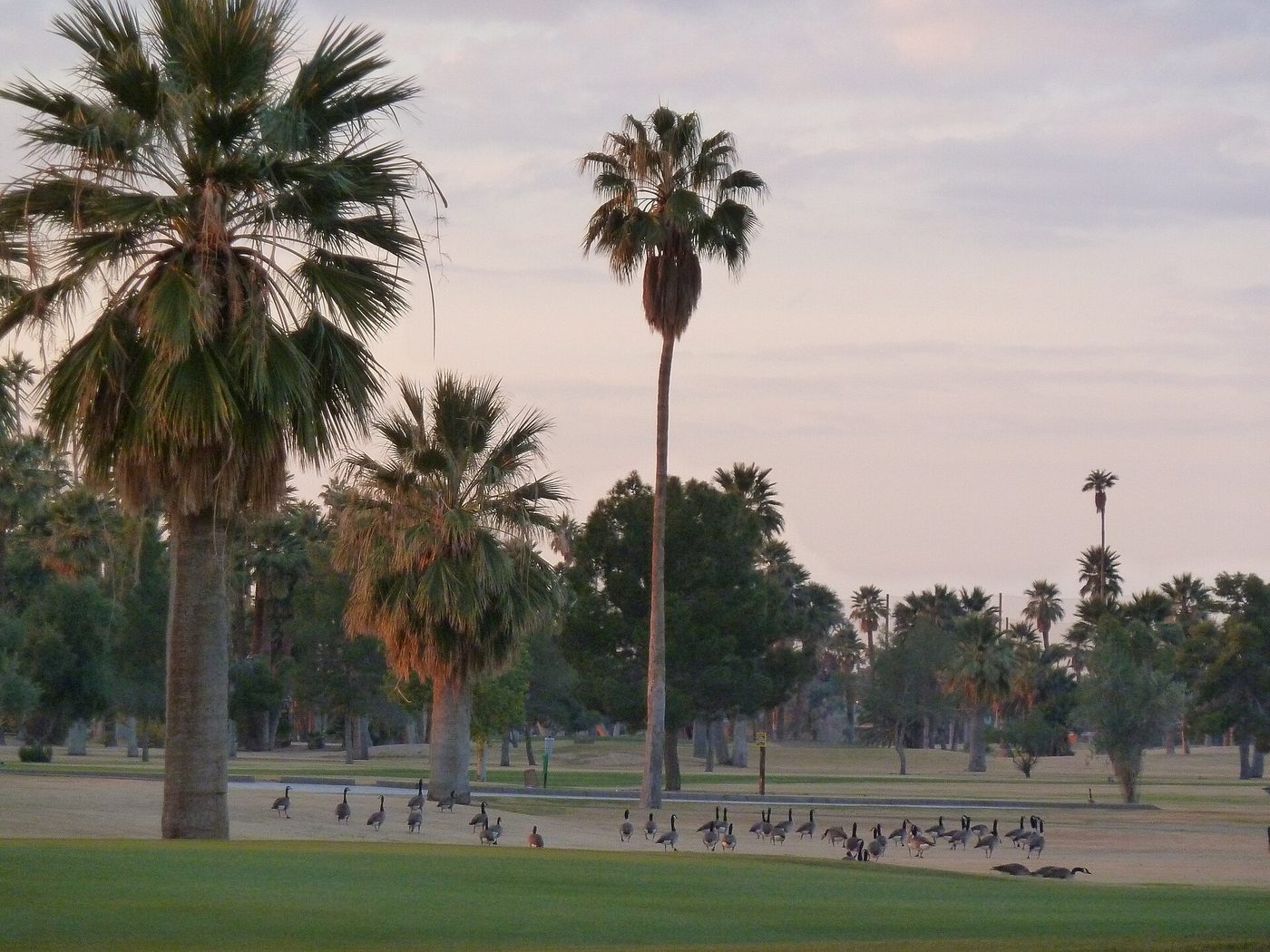
- Papago, Phoenix: reported at about $37 to $74, walking or riding; Encanto, also in Phoenix, $18 to $62.
- Lincoln Park, San Francisco: $49 on weekdays for residents and $63 for non-residents.
- Presidio, San Francisco: residents $80 walking on weekdays, non-residents $105, plus a 3% park fee.
- Pacific Grove Golf Links, California: $66 on weekdays and $89 at weekends, walking, for anyone.
- Torrey Pines, San Diego: on the North Course, residents $51 to $68 and non-residents $163 to $204; on the South Course, residents $73 to $90 and non-residents $258 to $322.
- Bethpage Black, New York: residents $70 to $80, non-residents $140 to $160, plus a $5 booking fee.
Two things stand out. First, residency is worth a lot: a San Diego resident with a $25 city ID saves $185 to $232 a round at Torrey Pines South. Second, the best munis are real golf. Bethpage Black has hosted two U.S. Opens, a PGA Championship and a Ryder Cup; Torrey Pines South has hosted two U.S. Opens; and Harding Park in San Francisco, where residents get the lowest rate, hosted the 2020 PGA Championship.
Daily-fee courses: $60 to $200
Daily-fee courses are privately owned but open to anyone, and they’re where most of the country’s best-value golf is. Prices depend on the season and the day, and many now use dynamic pricing, where the rate moves with demand like an airline seat.
- Rustic Canyon, Moorpark, California: $65 prime time on weekdays and $90 at weekends; twilight from $45; cart $20. It’s No. 23 on GOLF’s California list.
- Wild Horse, Gothenburg, Nebraska: $68 on weekdays and $85 at weekends (2026 proposed rates), plus $24 for a cart.
- Caledonia and True Blue, Pawleys Island, South Carolina: in summer 2026, Caledonia $129 in the morning, $99 in the afternoon and $79 at twilight; True Blue $109, $89 and $59.
- Belvedere, Charlevoix, Michigan: $150 walking in peak season, $120 in autumn and $75 early in the year.
- Forest Dunes, Roscommon, Michigan: $185 on weekdays and $215 at weekends in peak season (May 28 to September 28), $145 and $165 either side; cart $30 extra.
- Mid Pines and Southern Pines, North Carolina: in peak season, Mid Pines $265 to $285 and Southern Pines $225 to $245, cart included; in winter, $105 to $125.
- Landmand, Homer, Nebraska: $160 with a cart, and walkers who play 18 get a free beer.
The pattern: a very good daily-fee course costs $80 to $150 in most of the country, and $150 to $300 at the best-known ones in the Sandhills of North Carolina or northern Michigan in peak season. Twilight and off-season rates are often half the peak price. We cover great courses under $100 separately.
Dynamic pricing is now common at the better daily-fee and resort courses. TPC Harding Park in San Francisco has used on-demand pricing since 2017, while guaranteeing San Francisco resident cardholders the lowest rate. TPC Tampa Bay’s weekday rates run from $125 to $249 depending on demand, and Tobacco Road in North Carolina prices its tee times the same way, with either a cart or a push cart included. The practical effect is that the published rate is a range, not a price. If you’re flexible, check several days and times: weekend mornings are almost always the most expensive, and weekday afternoons the cheapest.
Resort courses: $150 to $500
Resort courses are attached to a hotel, and the price reflects the setting, the conditioning and the demand. Hotel guests usually pay less and book earlier.
- Streamsong, Florida: day guests $200 in summer to $445 from January to April 2027; resort guests $150 to $395; plus $35 for a cart.
- We-Ko-Pa Saguaro, Arizona: about $309 in peak season ($219 for Arizona residents) and about $99 in summer ($69).
- Gamble Sands, Washington: $295 from May to September, $200 in April and October, with a replay at $195.
- Black Desert, Utah: resort guests $250 to $325, non-guests $325 to $450, including a cart, a forecaddie and food on the course.
- Pelican Hill Ocean South, California: $340 Sunday to Thursday and $415 on Friday and Saturday for the public; $255 and $315 for resort guests.
- The Broadmoor East, Colorado: $361 in summer, $285 in early autumn and $232 in late autumn, for hotel guests only.
- Pinehurst, North Carolina: No. 2 and No. 10 are sold only in stay-and-play packages, with a $250 premium for No. 2 and $125 for No. 10.
Resort prices vary more by season than any other kind of golf. We-Ko-Pa’s Saguaro Course costs three times as much in March as in July, and Streamsong more than twice as much in February as in August. If you can play in the off-season, you can play resort golf at daily-fee prices.
Bucket-list courses: $400 to $1,250
At the top are the courses golfers save up for. These are the prices in 2026, before a caddie or tip:
- Shadow Creek, Las Vegas: a reported $1,250, including a limousine, for MGM hotel guests only
- TPC Sawgrass, Florida: $775 and up from September to May, $550 from June to August, including a cart, forecaddie and range balls
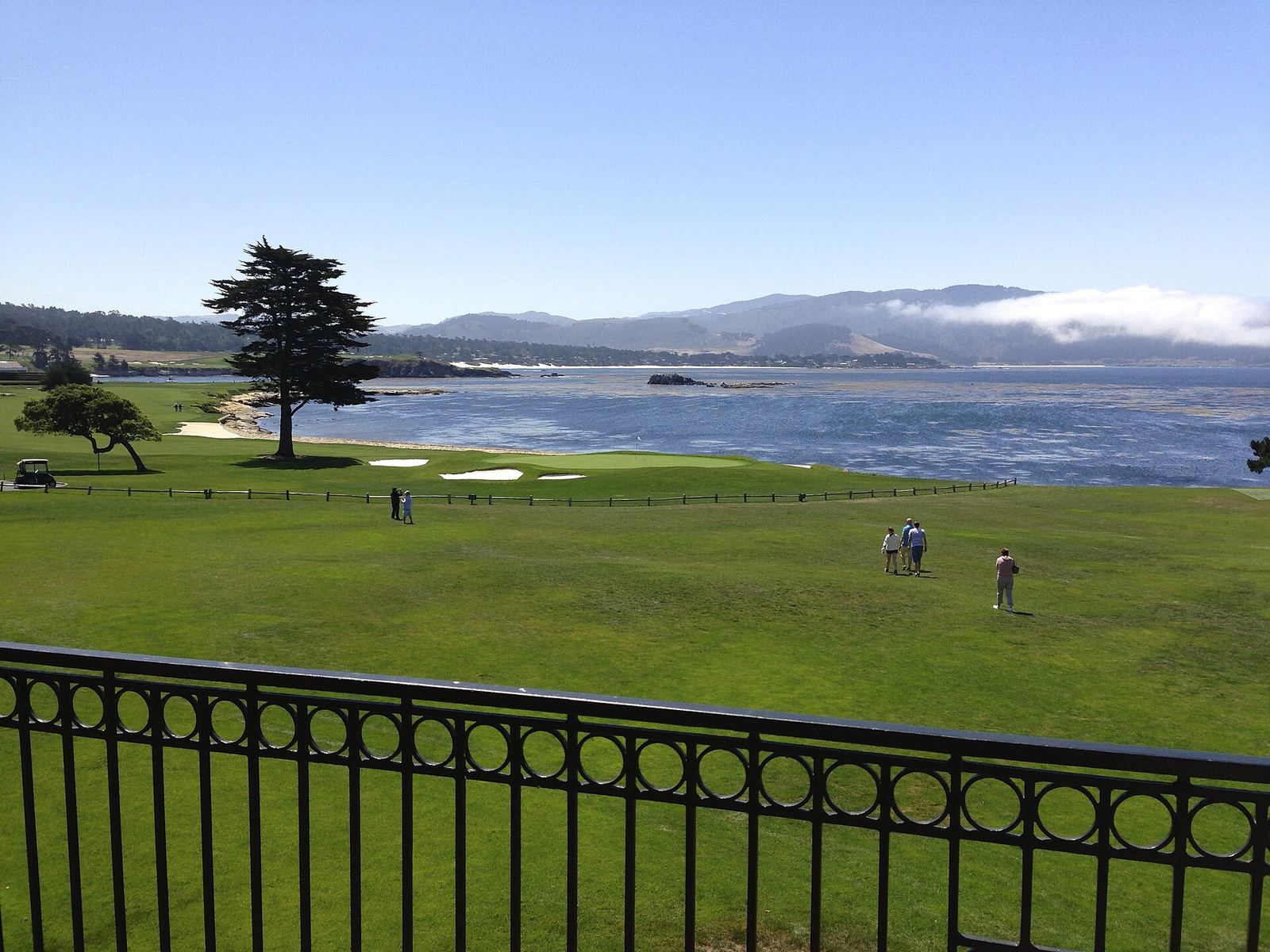
- Pebble Beach, California: $695 through March 2027, plus $60 for a cart for non-guests, or $175 for a caddie
- Harbour Town, South Carolina: about $378 to $651 on sample 2026 dates, dynamic
- Erin Hills, Wisconsin: $395 to $495, walking only
- The Ocean Course, Kiawah Island: about $480 for resort guests (reported), with non-guests paying more
- Pasatiempo, California: $465 walking and $515 riding
Our guide to bucket-list golf courses explains which are worth the money, and our guide to the best public golf courses in America covers the rest of the country’s top public courses and what they cost.
The hidden costs: carts, caddies, booking fees and tips
The green fee is only the start. Here’s what else you’ll pay, based on the courses we checked in 2026.
Carts. Usually $20 to $30 per rider for 18 holes: Rustic Canyon $20, Wild Horse $24, Harding Park and Pacific Grove $25, Forest Dunes and Maderas $30. Torrey Pines charges $48. Many resorts and bucket-list courses build the cart into the green fee, and some courses are walking only, with no cart at all.
Caddies and forecaddies. A caddie carries your bag; a forecaddie walks ahead of the group, spots balls and reads putts, and doesn’t carry. Caddie fees we found range from $85 at Pinehurst to $100 at Chambers Bay and Sand Valley, $125 at Bandon Dunes and $175 at Pebble Beach, plus a tip. At the Ocean Course, the caddie fee is waived but customary tips are about $120 for a caddie and $60 for a forecaddie. Some courses require a caddie or forecaddie: French Lick’s Pete Dye Course charges a mandatory $50 forecaddie fee, and PGA Frisco’s Fields Ranch East requires a caddie for every player.
Booking fees. Popular courses often charge to book ahead: $5 at Bethpage Black, $19 at Harding Park for 8 to 30 days out, $20 at the Presidio, $20 at Rustic Canyon for 15 to 28 days out, and $50 for non-residents booking up to 90 days ahead at Torrey Pines.
Resident cards. The lowest city rates usually need a resident ID: $25 a year in San Diego and West Palm Beach, for example.
Taxes and surcharges. Most Arizona courses add sales tax and a water surcharge of around 5% to the posted rate, which together can add $25 to $50 to a $300 round.
Range balls, food and tips. Budget $10 to $20 for a bucket of range balls at courses that don’t include them, $15 to $30 for food and drink, and a tip for the cart staff at resorts.
Rental clubs. If you’re travelling without clubs, budget $75 to $85: Rustic Canyon rents a set for $75, and Harding Park charges $85, including a sleeve of balls and tees.
Non-playing riders. Bringing a partner who isn’t playing can cost extra: Harding Park charges $50 for an accompanying rider, and Ozarks National in Missouri charges $45.
Cancellation fees. Read the policy before you book. Lawsonia Links in Wisconsin charges 50% if you cancel with less than three days’ notice, Belvedere in Michigan asks for 24 hours, and Tobacco Road’s walk-on times are non-cancellable and need a credit card guarantee.
How much does 9 holes of golf cost?
Usually half to two-thirds of the 18-hole rate. Belvedere in Michigan charges $75 for nine walking in peak season against $150 for 18, and the Ojai Valley Inn charges $119 for nine against $190 for 18. At Charleston Municipal the walking fee is the same for nine or 18 holes.
Nine holes is the best value in golf for anyone short of time, and many courses offer twilight nine-hole rates after about 4 pm that are cheaper still. Some resorts have separate nine-hole courses: Gamble Sands’ Quicksands short course is $75, and Pinehurst and Bandon Dunes both have par-3 courses priced far below their main courses.
How much does it cost to rent a golf cart?
Usually $20 to $30 per rider for 18 holes. Rustic Canyon charges $20, Wild Horse $24, TPC Harding Park and Pacific Grove $25, and Forest Dunes and Maderas $30. Torrey Pines charges $48, and some resorts build the cart into the green fee.
The cart is one of the easiest costs to cut. Most municipal and daily-fee courses allow walking, and several of the best courses in the country, including Bandon Dunes, Chambers Bay, Erin Hills, Whistling Straits and the Sand Valley courses, are walking only. A push cart, which you pull yourself, usually costs $10 to $12, and at We-Ko-Pa in Arizona it’s free. We look at what carts cost and when they’re worth it in a separate guide.
What does a real round cost? Five worked examples
Here’s what five real rounds cost in 2026, including the extras.
| Round | Green fee | Extras | Total |
|---|---|---|---|
| City resident walking Charleston Municipal on a weekday | $23 | None | $23 |
| Non-resident at Bethpage Black on a weekday | $140 | $5 booking fee | $145 |
| Summer day at Caledonia (morning) and True Blue (afternoon) | $129 + $89 | Carts included | $218 for 36 holes |
| Visitor at Torrey Pines South on a Saturday, booked 60 days ahead | $322 | $48 cart, $50 booking fee | $420 |
| Non-guest at Pebble Beach with a caddie | $695 | $175 caddie, about $100 tip | About $970 |
The spread is the point. The same 18 holes of golf, measured in time, can cost anything from $23 to nearly $1,000, and the gap between a city course and a resort often has more to do with who owns the land than with how good the golf is.
A few notes on each. The Charleston round assumes you’re a City of Charleston resident walking on a weekday; a tri-county resident would pay $38 and a visitor $68 for the same walk. The Bethpage round is the cheapest way for a visitor to play a major-championship course in America, but getting the time means booking from 7 pm five days ahead. The Caledonia and True Blue day works because both courses cut their rates in summer; the same 36 holes in spring would cost more. The Torrey Pines round shows how quickly the extras add up: the $48 cart and the $50 advance booking fee add almost a third to a $322 green fee. And the Pebble Beach round is before lodging. A resort stay, the only reliable route to a tee time more than a day ahead, costs far more than the golf.
The pattern holds everywhere: at a public course the green fee is most of the bill, and at a bucket-list course it’s about 70% once the caddie and the tip are added.
How can you pay less for a round of golf?
Play twilight, play in the off-season and use resident rates. Twilight at Caledonia is $79 against $129 in the morning; TPC Sawgrass is $225 cheaper in summer; and a San Diego resident pays $73 at Torrey Pines South against $258 for a visitor. Walking saves the cart fee too.
Seven ways to cut the cost of a round, in rough order of how much they save:
- Get the resident card. If you live in a city with good munis, the card pays for itself in one round. San Diego’s costs $25 a year.
- Play in the off-season. Resort rates can fall by half or more: We-Ko-Pa drops from $309 to $99, Streamsong from $445 to $200, TPC Sawgrass from $775 to $550.
- Play twilight. After about 2 to 4 pm, most courses cut their rate by a third or more; Rustic Canyon’s weekday twilight is $45 against $65.
- Play on a weekday. Weekend rates are usually $10 to $30 higher at public courses and up to 30% to 50% higher at resorts.
- Walk. It saves $20 to $48 for the cart, and at the walking-only courses there’s no cart to pay for anyway.
- Book direct and avoid booking fees. Book within the free window when you can; the advance fees at Torrey Pines, Harding Park and Rustic Canyon add $19 to $50.
- Buy an annual pass or membership if you play often. If you play every week, a pass can bring the cost per round down sharply.
We cover how twilight rates work, the cheapest ways to play, and how to book a tee time without paying extra, in separate guides.
Common mistakes when budgeting a round
- Budgeting the green fee only. Add the cart, the caddie and the tip. At Pebble Beach, they add $235 to $275.
- Forgetting the booking fee. Non-residents at Torrey Pines pay $50 to book ahead.
- Assuming weekend and weekday cost the same. At Torrey Pines South, the weekend rate is $64 higher for visitors.
- Missing the tax and surcharges. In Scottsdale, sales tax and a water fee add around 13% to the posted rate.
- Ignoring the season. The same course can cost three times as much in March as in July.
- Paying resort rates at home. If you live near a good muni, the resident rate is often the best deal in golf.
Has golf got more expensive?
Yes, but only about as fast as everything else. The National Golf Foundation found public green fees rose 27% since 2019, in line with inflation over the same period. The steepest prices are at resort and bucket-list courses, where demand outstrips the number of tee times.
The pandemic brought millions of new golfers, and public courses were busier than they had been in decades. But the NGF’s numbers show that the typical fee at a municipal or daily-fee course has only kept pace with inflation. Where prices have jumped is at the top end, where courses like TPC Sawgrass and Pebble Beach now charge $695 to $775. We look at why golf is so expensive, and where the money goes, in a separate guide.
What about memberships and annual passes?
If you play more than once or twice a week, a membership or pass can be cheaper per round than paying green fees. City courses often sell annual passes, and private clubs charge an initiation fee plus monthly dues. We cover what a golf membership costs, annual golf passes and whether a membership is worth it in separate guides, and country club membership costs in our private-club guide. For the total, including equipment, lessons and travel, see our guide to what golf costs over a whole year.
Frequently asked questions
How much does a round of golf cost on average?
About $41 for 18 holes at a municipal or daily-fee course, according to the National Golf Foundation’s April 2026 figure, or $48 on weekdays according to GreenFeeTracker’s September 2026 count of posted rates. A cart usually adds $20 to $30 per rider.
How much is a round of golf with a cart?
At a typical public course, about $60 to $80 for 18 holes with a cart in 2026. At a good daily-fee course, $100 to $200. At a resort, the cart is often included in a green fee of $200 to $450.
How much does 9 holes of golf cost?
Usually half to two-thirds of the 18-hole rate. Belvedere in Michigan charges $75 for nine walking in peak season against $150 for 18. At Charleston Municipal, the walking fee is the same for nine or 18 holes.
What is the cheapest way to play golf?
Walk a city course at a resident or twilight rate. A City of Charleston resident can walk Charleston Municipal for $23 on a weekday, and Rustic Canyon’s weekday twilight rate is $45. Playing in the off-season and on weekdays also cuts the price.
How much does it cost to play Pebble Beach?
$695 from April 2026 to March 2027. Non-guests pay $60 more for a cart, or can take a caddie for $175 plus a tip. With the caddie and tip, the round costs about $970.
Why is golf so expensive?
Mostly because of land and labour: a course takes 100-plus acres of maintained turf, and the best-known courses have far more demand than tee times. But the typical public fee has only risen about as fast as inflation since 2019, according to the NGF.
What state has the cheapest golf?
In Supreme Golf’s 2023 data, Alaska was cheapest at $14 a round on average, followed by states in the Midwest and plains, such as Oklahoma ($31) and Ohio ($35). GreenFeeTracker’s September 2026 data also puts Oklahoma cheapest, at $31 on weekdays.
Do you tip at a golf course?
Tip caddies and forecaddies, usually $50 to $120 per caddie depending on the course, and it’s customary to tip the staff who clean your clubs at resorts. At the Ocean Course at Kiawah, where the caddie fee is waived, the customary tip is about $120.
How much does golf cost for a beginner?
Less than you’d think, if you start small. A nine-hole round at a city course, a par-3 course or a short course such as Gamble Sands’ Quicksands ($75) is the cheapest way in, and many courses have junior rates: Caledonia and True Blue charge juniors $29 in the afternoon. Rent clubs for about $75 before you buy your own.
Is it cheaper to walk or ride?
Walking is almost always cheaper, because it saves the cart fee of $20 to $48 per rider. At Charleston Municipal a non-resident pays $68 to walk and $90 to ride, and SentryWorld in Wisconsin takes $10 off for walkers. At walking-only courses such as Bandon Dunes and Chambers Bay, there’s no cart to pay for.
Our verdict
How much does a round of golf cost? For most American golfers, about $40 to $50 for the green fee and $20 to $30 for a cart, at a local course on a weekday. That’s roughly where it was in real terms before the pandemic. The expensive rounds, $400 and up, are real, but they’re a small share of the golf played in this country.
If you want to pay less, the answer is almost always the same: play the best city course near you at the resident rate, walk, and play twilight. If you want to splurge, go in the off-season, when the resorts cut their rates in half. And if you’re saving for Pebble Beach, budget closer to $1,000 than $695.
Sources
- The Truth About Golf’s Rising Green Fees, National Golf Foundation, April 2, 2026
- Average Public Golf Green Fees by State: 2026 US Data Report, GreenFeeTracker, September 2026
- How much does golf cost in each U.S. state?, GOLF, September 21, 2024 (Supreme Golf data)
- Course rates and annual passes, City of Charleston
- Golf rates, City of Los Angeles Golf
- Phoenix golf courses, City of Phoenix
- Rates, Lincoln Park Golf Course; Rates and reservations, Presidio Golf Course; Current rates, TPC Harding Park
- Rates, Pacific Grove Golf Links
- Torrey Pines Golf Course rates effective January 1, 2026, City of San Diego
- Bethpage State Park, New York State Parks
- Fees, Rustic Canyon Golf Course
- Course rates, Wild Horse Golf Club
- Rates and specials, Caledonia Golf & Fish Club and True Blue
- Green fees, Belvedere Golf Club
- Greens fee rates, Forest Dunes Golf Club
- Courses, Mid Pines Inn & Golf Club; Courses, Southern Pines Golf Club
- FAQ, Landmand Golf Club
- Golf fees, Streamsong Resort
- Rates and packages, We-Ko-Pa Golf Club
- Rates, Gamble Sands
- Golf, Black Desert Resort
- Golf rates, Pelican Hill
- Golf rates and customs, The Broadmoor
- FAQs, Pinehurst Resort
- Rates and FAQs, Pebble Beach Resorts
- FAQ, TPC Sawgrass
- How much does it cost to play Shadow Creek?, The Golf News Net, April 2, 2026
- Ocean Course FAQ, Kiawah Island Golf Resort
- Ojai golf course, Ojai Valley Inn
- Golf, French Lick Resort; FAQs, Omni PGA Frisco
Image credits
| Image | Photographer | Licence | Source |
|---|---|---|---|
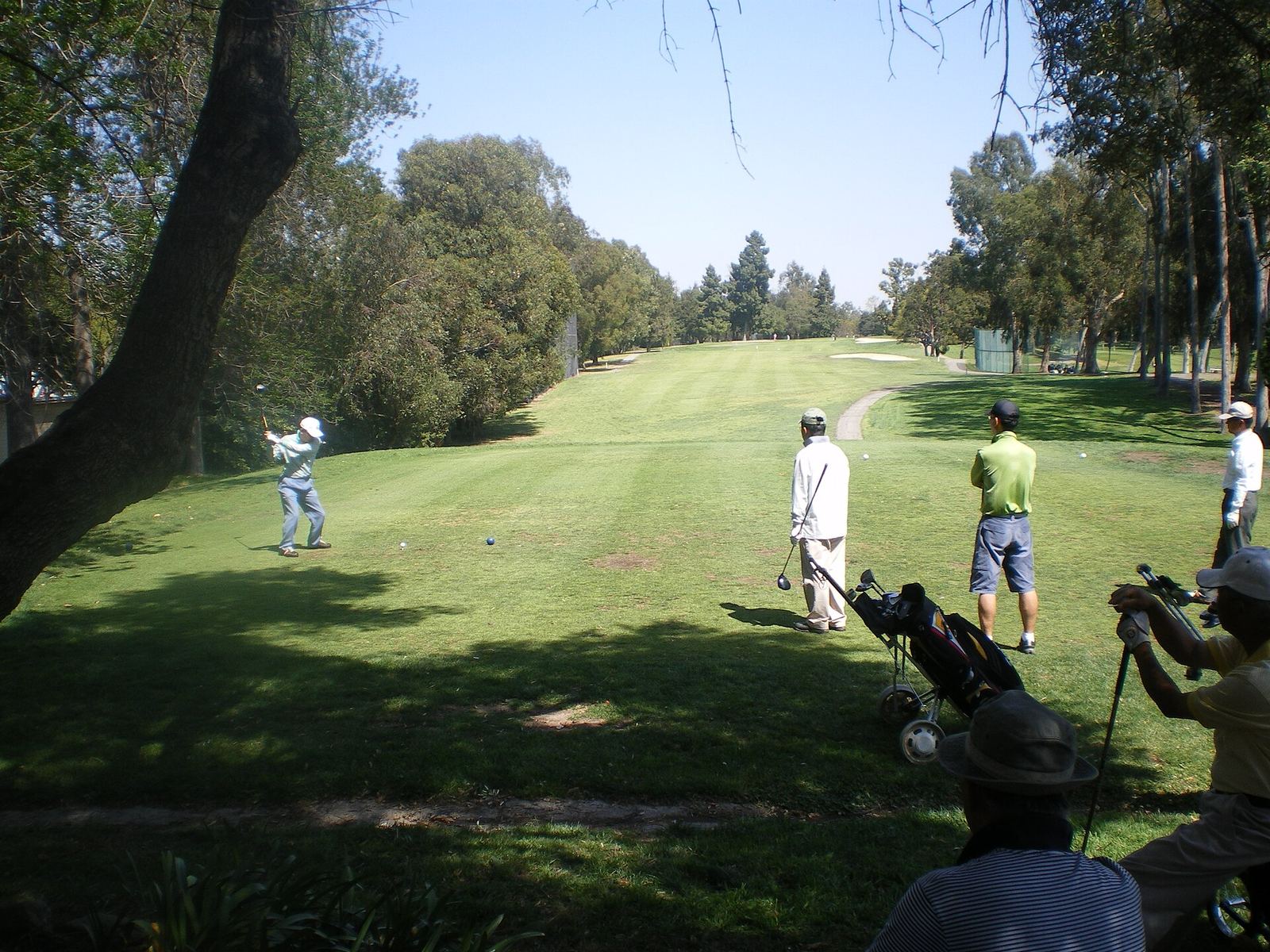
| Rancho Park Golf Course, Los Angeles (featured image) | Cbl62 | CC BY-SA 3.0 | Wikimedia Commons |
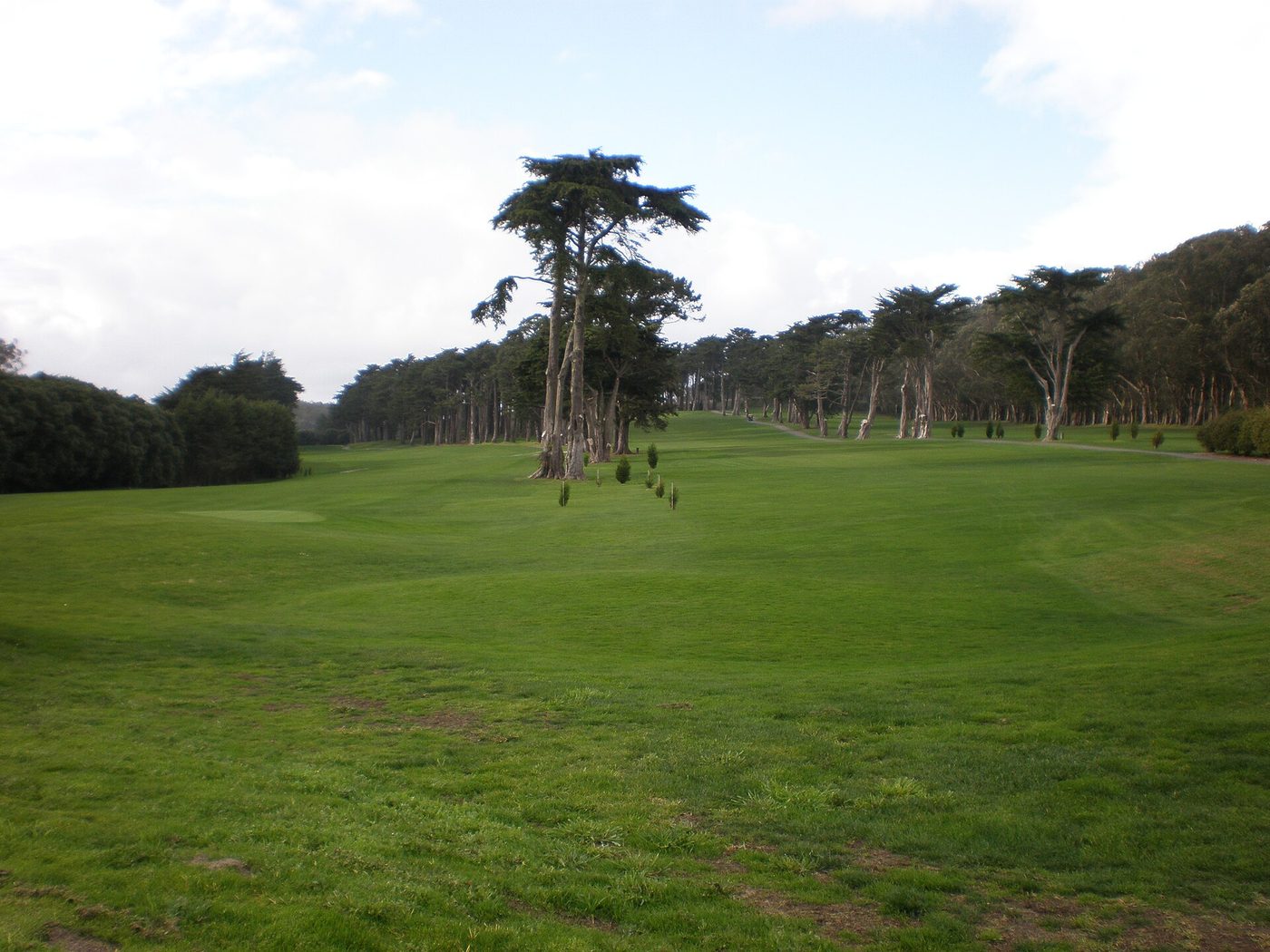
| Presidio Golf Course, San Francisco | BrokenSphere | CC BY-SA 3.0 | Wikimedia Commons |
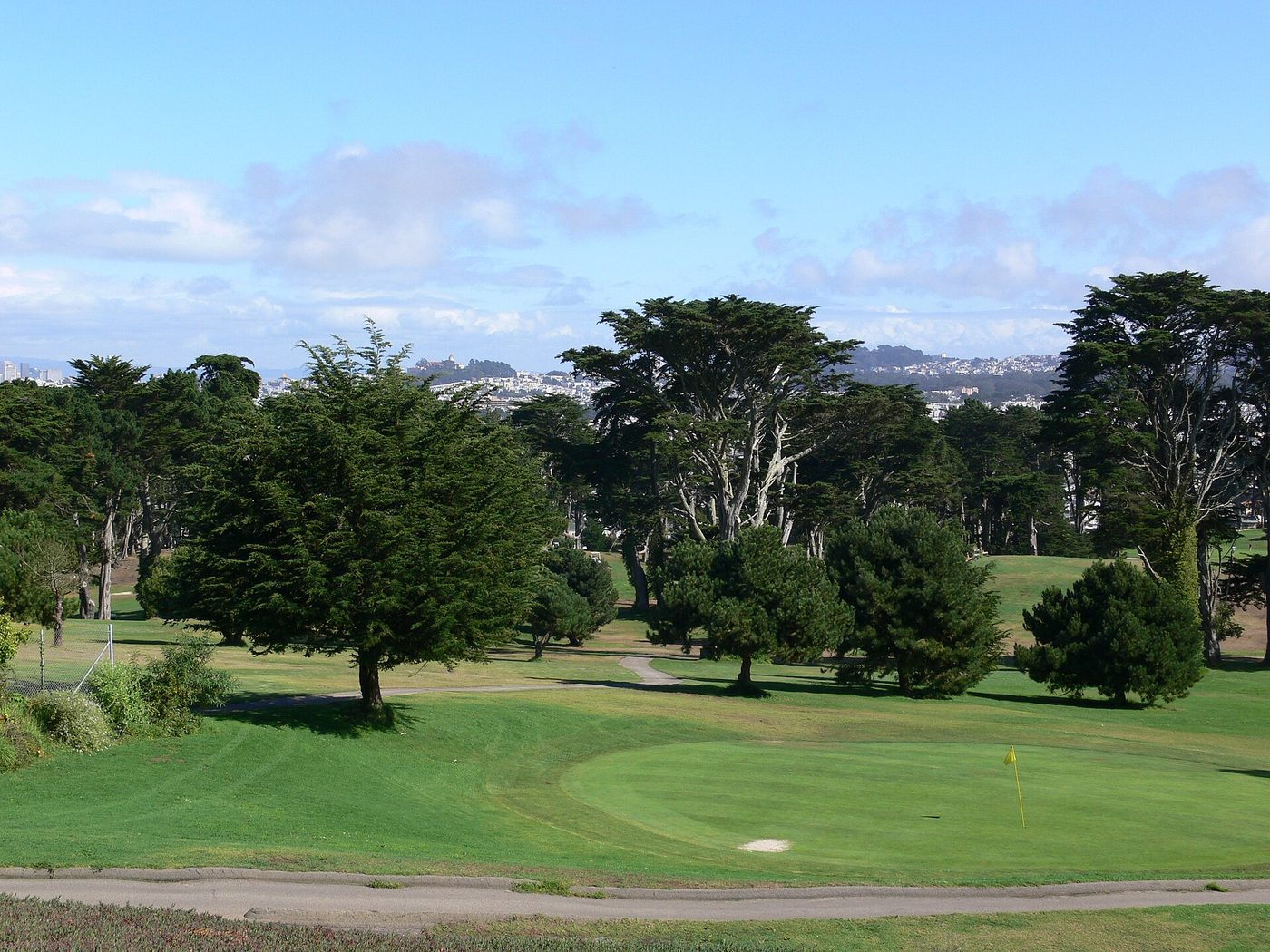
| Lincoln Park Golf Course, San Francisco | Andreas Praefcke | CC BY 3.0 | Wikimedia Commons |
| Encanto Golf Course, Phoenix | Chris English | CC BY-SA 3.0 | Wikimedia Commons |
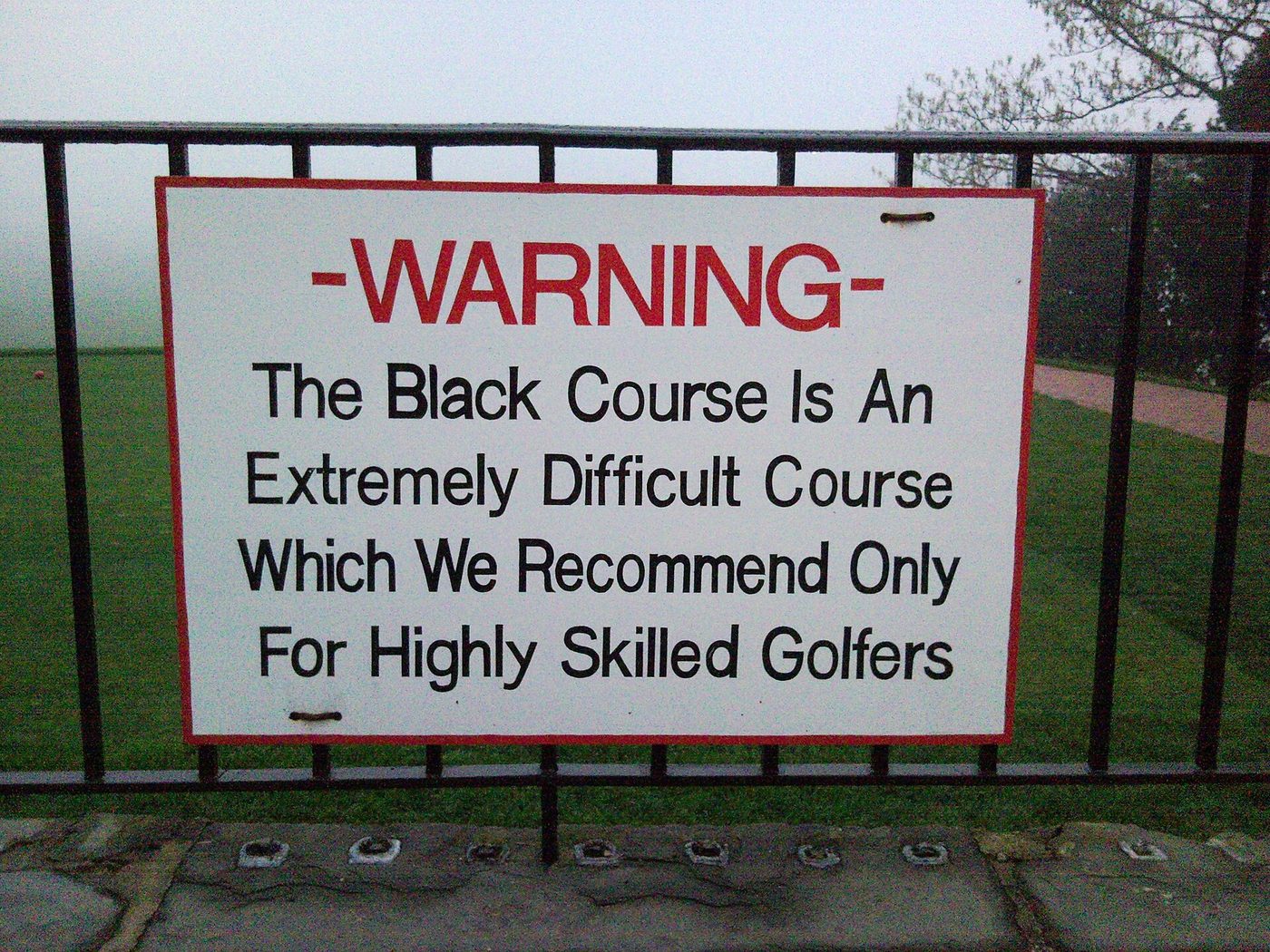
| Bethpage Black warning sign | E S Lee | CC BY 2.0 | Wikimedia Commons |
| Pebble Beach Golf Links, 18th green | WilliamFMeyer | CC BY-SA 4.0 | Wikimedia Commons |