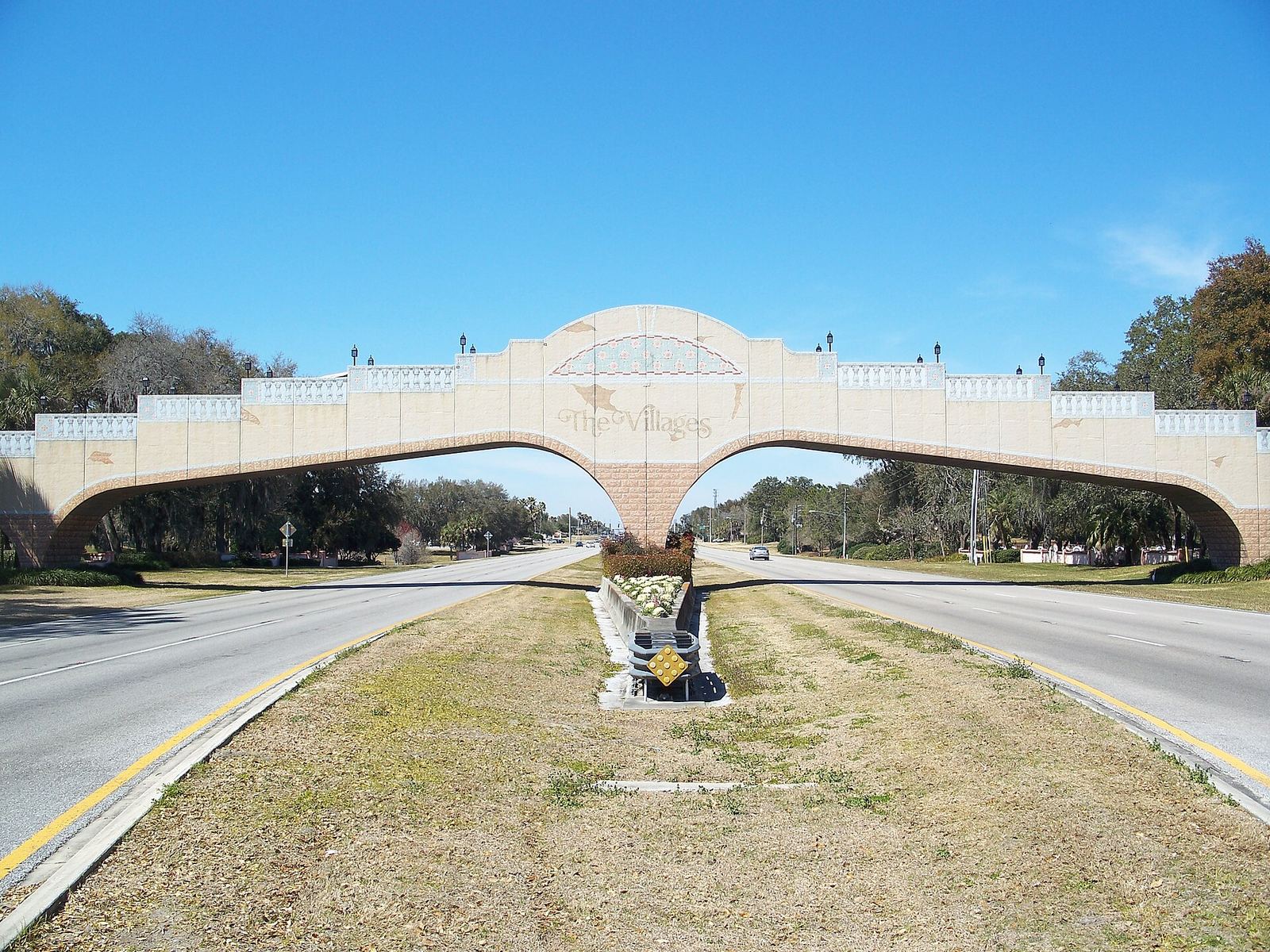
The best golf communities in Florida, for most golfers, are The Villages for value, Palencia near St. Augustine for a private club at a fair price, Heritage Bay in Naples for golf bundled into one annual fee, and The Concession, Lake Nona and Black Diamond Ranch for the courses. Costs run from a $189 monthly amenity fee at The Villages to $295,000 to join BallenIsles in Palm Beach Gardens.
Florida has more golf courses than any other state, and plenty of them were built to sell houses. That’s why most lists of the state’s golf communities read like brochures: they’re written by brokers, builders or the communities themselves. This one is written for the golfer doing the buying. For how golf communities work nationally, start with our guide to golf course communities.
The brochures will describe the clubhouse and the sunsets. What they won’t tell you is that the golf at one community comes free with a monthly fee while the club down the road costs six figures to join, or that a house with a view of a fairway can come with no right to play it. We compare 18 communities from Ponte Vedra Beach to Key Largo, explain the four ways Florida sells golf with a house, give the course data a golfer actually uses, and say plainly where the money is well spent and where it isn’t.
How we built this. We checked each club’s or community’s own website in October 2026 for how the golf works and what it costs, and used named news reports where a club doesn’t publish its fees. Where a number comes only from a real-estate agent or a membership broker, we label it an estimate: it isn’t a price, and it may already be out of date. Private clubs rarely publish joining fees or dues, so there are gaps, and “not published” means exactly that. Ratings and slopes come from club scorecards where we could find them, and from news and reference sources (labelled “reported”) where we couldn’t. We haven’t lived in these communities or played every course, so the notes on how the golf plays lean on the architecture, the yardages and the ratings, and we say so where it matters.
At a glance
- Best value: The Villages, where a $189 monthly amenity fee makes golf on the executive courses free to residents, plus a trail fee from $21.77 a month to drive your own cart (official, 2026)
- Best private club for the money: Palencia, St. Augustine: an Arthur Hills course rated 75.1 with a slope of 143 from the back, $37,000 to join and $610 a month for a family (official, January 2026)
- Best bundled-golf deal: Heritage Bay, Naples: 27 holes, a $10,216 annual assessment for 2026, and members pay a $29 cart fee for 18 holes and nothing to walk (official)
- Best courses: The Concession (Jack Nicklaus and Tony Jacklin), Lake Nona and Black Diamond Ranch (Tom Fazio), Tiburón (Greg Norman) and Quail West (Arthur Hills)
- Most courses in one club: Bonita Bay Club, with five; Lakewood Ranch and Boca West have four each
- Membership comes with the house at: Boca West, BallenIsles, Harbour Ridge and Ocean Reef (mandatory), Heritage Bay (bundled) and Quail West (house membership mandatory, golf optional)
- Highest published joining fee: BallenIsles, $295,000 for full golf, of which $72,500 is equity, plus $31,522 a year in dues (official, January 2026)
- Biggest published annual bill: Harbour Ridge, where club dues, owners’ association fees and capital funds came to $39,432 for 2025-26
Florida golf communities compared. “Official” means the club or community published the figure; “reported” means a named news outlet; “estimate” means a local real-estate agent or broker, not confirmed by the club.
| Community | Where | Golf | How golf works | Key cost (source) | Best for |
|---|---|---|---|---|---|
| The Villages | Central | 50+ courses, most of them nine-hole executive courses | Executive golf free in the amenity fee; championship courses by the round | $189/month amenity fee; trail fee $143.70/year (official) | Daily golf for the least money |
| Solivita | Central | 2 courses at Stonegate Golf Club | 55+; golf membership optional | Unlimited golf about $2,000-$2,400/year (estimate) | Affordable 55+ golf near Orlando |
| Lake Nona | Orlando | 1 Tom Fazio course | Optional private club | Not published; joining about $100,000-$150,000 (estimate) | Tour-standard golf by the airport |
| Bella Collina | Montverde | 1 Nick Faldo course | Membership described by agents as mandatory | Not published | Florida golf with real hills |
| Black Diamond Ranch | Lecanto | 45 holes by Tom Fazio | Private club | Not published; no capital assessments (official) | The Quarry Course |
| Sawgrass Country Club | Ponte Vedra Beach | 27 holes by the beach | Optional private club | $85,000 to join; $1,073/month (reported, 2024) | Players Championship history |
| Marsh Landing | Ponte Vedra Beach | 1 Ed Seay course | Optional private club | Joining $75,000-$100,000 (estimate) | A quieter Ponte Vedra club |
| Palencia | St. Augustine | 1 Arthur Hills course | Optional private club | $37,000 to join; $610/month family (official) | The best-value private club |
| Lakewood Ranch G&CC | Lakewood Ranch | 4 courses | Optional private club | $110,000 to join; $1,360/month (official) | Four courses, published fees |
| The Concession | Bradenton | 1 Nicklaus-Jacklin course | Private, by invitation (reported by agents) | Golf about $200,000 + $25,800/year (estimate) | The hardest course here |
| Quail West | Naples | 2 Arthur Hills courses | House membership mandatory; golf optional | House $100,000; golf $250,000 (estimate) | Demanding golf, deep pockets |
| Tiburón | Naples | 2 Greg Norman courses | Semi-private; resort guests play | Medallion about $220,000, 80% refundable (estimate) | Try it before you buy |
| Bonita Bay Club | Bonita Springs | 5 courses | Golf optional (agents) | Golf about $225,000 (estimate) | Variety: five courses |
| Heritage Bay | Naples | 27 holes | Bundled with every home | $10,216/year; $29 cart per 18 holes (official) | The clearest bundled deal |
| BallenIsles | Palm Beach Gardens | 3 courses | Mandatory equity | $295,000 to join; $31,522/year (official) | A big, historic Palm Beach club |
| Boca West | Boca Raton | 4 courses | Mandatory membership | $150,000 capital contribution (official, 2024) | The biggest social scene |
| Harbour Ridge | Palm City | 2 courses | Mandatory equity | $124,000 capital; $39,432/year all-in (official) | A member-owned river club |
| Ocean Reef Club | Key Largo | 2 courses | Equity membership for property buyers | Not published; $25,000 association fee (official) | Seclusion first, golf second |
Checked October 2026. Get the current fee schedule from the club in writing before you buy; Florida club fees change every season.
How does golf work in a Florida golf community?
In one of four ways: golf is bundled into what every homeowner pays, membership in an equity club is mandatory with the house, a private club sells membership separately, or the courses are public and you pay by the round. Which model applies decides most of your costs, so find out first.
That sounds obvious, but it’s the question most buyers skip, because the listing photos all look the same. A fairway view at a bundled club in Naples, a fairway view at a mandatory club in Boca Raton and a fairway view on a daily-fee course near Orlando can be priced within a few thousand dollars of each other. What you’ll pay to actually play the course behind the house can differ by $20,000 a year.
Bundled golf. Every home carries a golf membership, and the cost is built into the fees every owner pays. You don’t apply to the club, and there’s usually no big joining fee to play, though many bundled clubs collect a one-time capital contribution when a home is sold. This is the common model in the newer communities around Naples, Bonita Springs and Fort Myers, and we explain it in more detail below.
Mandatory equity membership. The members own the club: its land, its courses, its clubhouse and its debts. Every home in the community has to carry a membership, which you pay for with an equity payment or capital contribution when you close. This is the model at many of the established clubs in Palm Beach County and on the Treasure Coast. The dues are high, but so is the standard of the golf, and the members control what happens to the course. We explain how mandatory membership works in a separate guide.
Optional private club. You can buy a home and never join. If you want to play, you apply, pay a joining fee and pay annual dues on top of your owners’ association fee. Some of these clubs are equity clubs owned by the members; others are owned by a developer or a company, which matters if the owner ever decides the land is worth more as houses.
Public or pay-as-you-play. The courses are open to the public or run for residents by the community, and you pay by the round or buy a pass. The Villages is the extreme version: its nine-hole executive courses are free to residents, and the championship courses charge per round. Plenty of ordinary Florida subdivisions also sit on daily-fee courses, where the house comes with a view and nothing else.
Two terms come up again and again in Florida club paperwork. A capital contribution is a one-time payment into the club’s capital fund, usually non-refundable, collected when you join or when you buy a home in a mandatory club. A refundable membership or deposit is paid back when you leave, but often only after a new member joins to replace you, which at a struggling club can mean a queue measured in years. Ask which one you’re paying, and read the refund terms in the membership documents rather than the brochure. For what private clubs charge across the country, see our guide to country club membership costs.
Central Florida: Orlando, The Villages and the Nature Coast
Central Florida has the state’s biggest golf community and some of its best private golf, and the price range is wider here than anywhere else in the state: free nine-hole golf at The Villages, six-figure clubs half an hour from Orlando’s airport. It’s also the only part of the peninsula with real hills. For the public courses, see our guide to Florida’s best golf courses.
Private clubs don’t sell rounds to the public, so the data lines below give membership costs where a green fee would normally go.
The Villages
The Villages, Fla. (north of Orlando) · mostly 55+ · more than 50 courses: dozens of nine-hole executive courses plus 18- and 27-hole championship courses · golf model: executive golf free to residents in the amenity fee; championship courses charged per round, with an optional championship membership · amenity fee $189 a month; trail fee to use your own cart on the executive courses $21.77 a month, $107.77 for six months or $143.70 a year (official, 2026) · championship rates on the community’s rate sheet (not checked)
The Villages is the largest golf community in America and the simplest to understand. Every resident pays a monthly amenity fee, $189 in 2026, and that fee makes golf on every executive course free. The executive courses are nine-hole layouts, shorter than a regulation course, built mostly from par 3s and short par 4s. The only extra is a per-person trail fee if you drive your own cart on them, and almost everybody does, because the golf cart is how people get around. The championship courses, at 18 and 27 holes, charge by the round, and there’s an optional championship membership for regular players.
Do the arithmetic and it’s hard to argue with. A resident who plays the executive courses every day pays $2,268 a year in amenity fees and $143.70 in trail fees, about $2,400 all in, and the amenity fee also covers the pools, the recreation centres and the rest. The golf is close to free.
What you don’t get is a hard golf course. The executive courses are short and friendly, and a 10-handicap will treat them as a pleasant warm-up rather than a test. The championship courses are where the real golf is, and they fill up in winter. The cart culture cuts both ways too: you’ll drive your cart to the shops and the restaurants on cart paths and bridges, which is either the dream or the reason you’d never live there.
Verdict: the most golf for the least money in Florida, and probably in America. If you want a daily game rather than a demanding course, nothing else in this guide comes close on price.
Solivita
Poinciana, Fla. (south of Kissimmee) · 55+ · Stonegate Golf Club, 2 courses: the Oaks (Ron Garl, 2000) and the Cypress (redesigned by Clifton, Ezell & Clifton) · Cypress par 72, 6,741 yards, 72.6/137, and Oaks par 72, 6,812 yards, 72.3/128 (both from the Gold tees, 2025 scorecard, official) · golf model: semi-private; golf membership optional and not in the owners’ fee · unlimited golf about $2,000 to $2,400 a year; owners’ fee reported at roughly $165 to $205 a month plus a club fee (estimates, 2026)
Solivita is a big 55+ community south of Kissimmee, and its two courses at Stonegate Golf Club are better than the retirement-golf stereotype suggests. The Cypress, rated 72.6 with a slope of 137 from the Gold tees, is a proper test; the Oaks, at 128, is the friendlier of the two. Golf isn’t in the owners’ fee. You buy a membership if you play a lot, or pay by the round if you don’t, and local estimates put unlimited golf at about $2,000 to $2,400 a year.
That’s the pay-as-you-play model, and for a couple where one plays and one doesn’t, it’s the point: the non-golfer isn’t subsidising the golfer. We cover Solivita and its neighbours in our guide to Florida’s 55-and-over golf communities, and compare 55+ golf communities around the country in another.
Verdict: a good-value 55+ option for a golfer who wants a real course without a private club’s bills. Estimates of the fees vary, so get the current numbers from the community.
Lake Nona Golf & Country Club
Orlando, Fla. (near Orlando International Airport) · all ages · 1 course (Tom Fazio, 1986) · par 72, 7,200 yards from the Black tees (club) · golf model: optional private club · fees not published; a third-party club directory puts the joining fee between $100,000 and $150,000 and dues above $15,000 a year (estimate, undated)
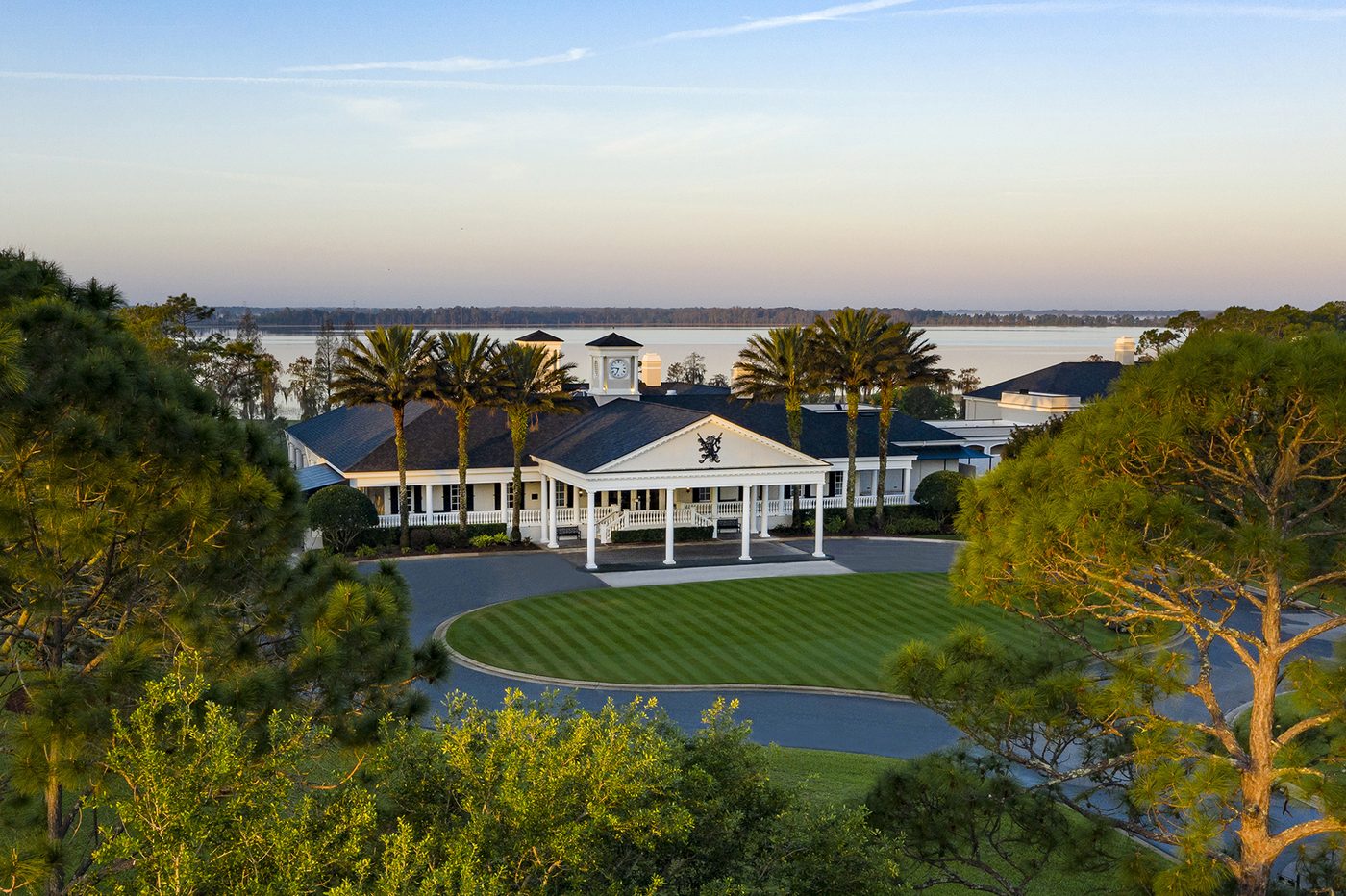
Lake Nona is the serious golfer’s club in Orlando. Tom Fazio designed it in the mid-1980s on the shore of the lake that gives it its name, and in 1990 it hosted the first Solheim Cup, the women’s answer to the Ryder Cup. It has been home over the years to a long list of touring professionals who live in Orlando, and the course is set up for players of that standard: 7,200 yards from the back, with Fazio’s usual mix of wide driving areas and well-defended greens.
It’s a private club with optional membership, and it doesn’t publish its fees. The only figures we found were broad bands in a third-party directory, which are a starting point for a conversation rather than a price. The community around it is quiet and upmarket, and it’s close to Orlando’s international airport, which matters more than it sounds if you’ll be flying in and out every winter.
Verdict: the best private golf in the Orlando area, for those who can get in. Ask the club for its current fee schedule; the published bands are too wide to plan on.
Bella Collina
Montverde, Fla. (west of Orlando) · all ages · 1 course (Nick Faldo) · up to about 7,700 yards (club) · golf model: club membership described by local agents as mandatory with a home; the club doesn’t publish its terms · fees not published; owners’ association fee about $410 a month (estimate, 2026)
Bella Collina is the odd one out in Florida: a golf course with genuine elevation change. It sits in the hills of Lake County west of Orlando, where the ground rises and falls in a way most of the peninsula doesn’t, and Nick Faldo’s course makes use of it, at up to about 7,700 yards from the very back. If you’ve moved from somewhere with hills and you’re worried that Florida golf will feel like playing on a billiard table, this is the place to look.
Local agents describe club membership as mandatory with a home there, but the club doesn’t publish its membership terms or its fees, and we couldn’t confirm either. Get both in writing before you go any further.
Verdict: worth a visit for a golfer tired of flat Florida courses. Too little is published to judge the value.
Black Diamond Ranch
Lecanto, Fla. (Citrus County, on the Nature Coast) · all ages · 45 holes by Tom Fazio: the Quarry and Ranch courses (the Ranch reworked by Tripp Davis from 2023) and the nine-hole Highlands · club founded 1987 · golf model: private club · joining fee not published by the club, which says it has no capital assessments and no food and beverage minimum (official, 2026); owners’ fee about $222 a month (estimate)
Black Diamond Ranch is a long way from anywhere, well north of Tampa in rural Citrus County, and that’s the price of its best feature. The Quarry Course, one of Tom Fazio’s best-known Florida designs, routes a run of holes through an old limestone quarry, with rock walls, deep water and green sites you won’t find anywhere else in the state. There are 45 holes in all, and the Ranch Course has been reworked by Tripp Davis since 2023.
The club’s own membership page says there are no capital assessments and no food and beverage minimum, which is unusual and worth having. It doesn’t publish its joining fee; the last figure we found in print, “starting at $25,000”, dates from 2013 and shouldn’t be relied on now.
Verdict: the best course in Central Florida that most golfers have never heard of. The trade-off is the location, so spend a few days there before you fall for the photos.
Northeast Florida: Ponte Vedra Beach and St. Augustine
The First Coast is cooler in winter than the rest of Florida, less crowded, and built around a golf culture of its own: the PGA Tour has its headquarters in Ponte Vedra Beach. Its golf communities are older and more traditional than those in the south, and one of them is the best-value private club we found anywhere in the state.
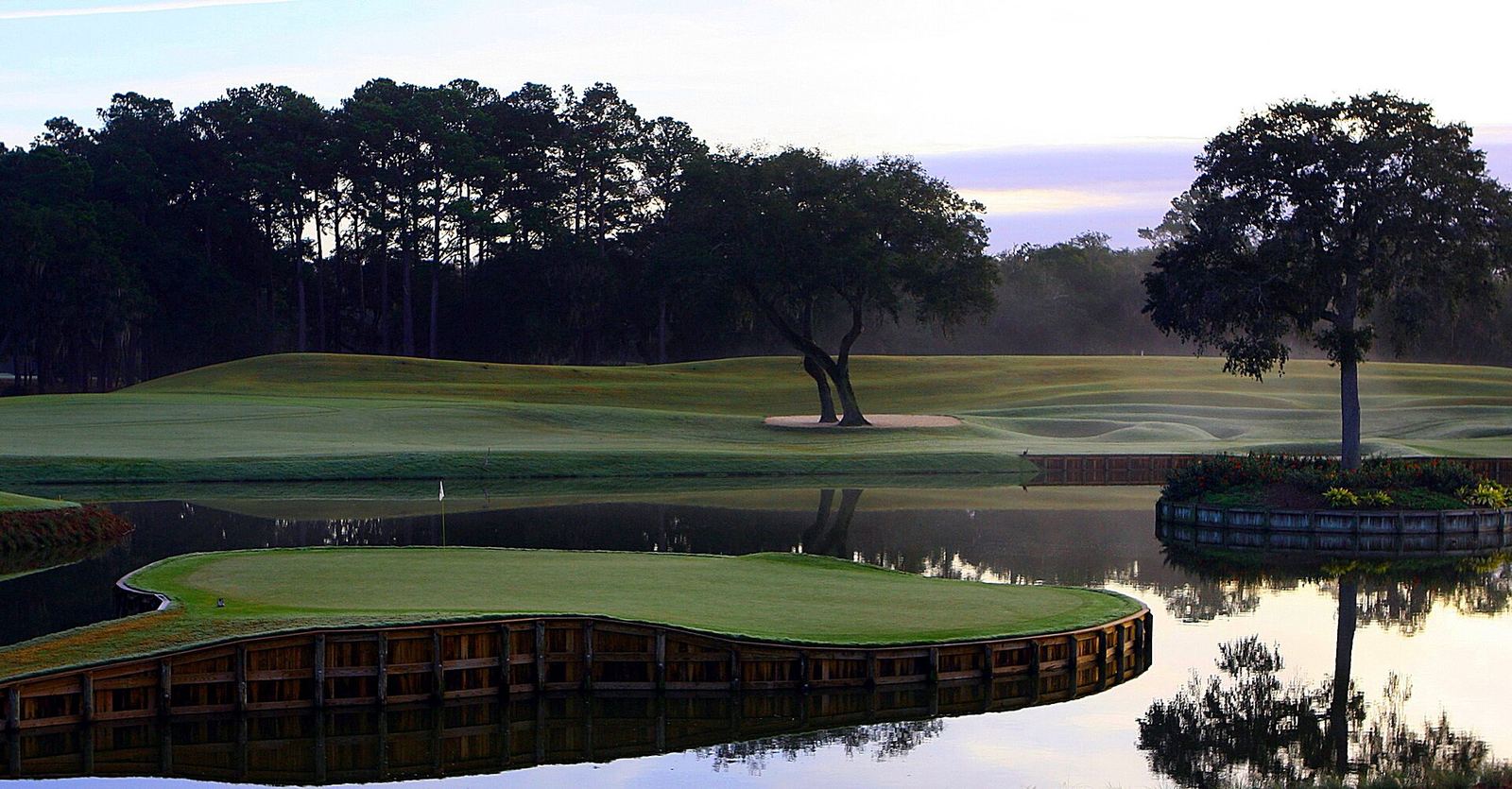
The famous course here, the Stadium Course at TPC Sawgrass, is public at a price: from $775 for most of the year, with cart, forecaddie and range balls included, according to the course. We break down what a round on the Stadium Course costs in a separate guide. The clubs below are where the people who live here play.
Sawgrass Country Club
Ponte Vedra Beach, Fla. · all ages · 27 holes: the East and West nines (Ed Seay, 1974) and the South nine (Robert Walker, 2015) · East/West par 72, 7,049 yards, 74.8/148 (tee not stated; reported) · golf model: optional private club · $85,000 to join; dues $1,073 a month for an all-sports membership (reported, St. Johns Citizen, November 2024)
Before the Stadium Course was built, the Players Championship was played at Sawgrass Country Club, from 1977 to 1981. The club sits right by the ocean, and its 27 holes run through marsh and lagoons with the Atlantic wind as the main defence. The East and West nines, the championship combination, are rated 74.8 with a slope of 148 in published figures, which is very hard. Most members will play well forward of the tips, and they should.
The club doesn’t publish its fees, but a local newspaper reported an $85,000 joining fee and dues of $1,073 a month for the all-sports membership in late 2024. That’s about $12,900 a year in dues, mid-market for a beachside private club with this much history.
Verdict: the traditional choice in Ponte Vedra: a tournament pedigree, the beach, and a joining fee well short of the big South Florida clubs.
Marsh Landing Country Club
Ponte Vedra Beach, Fla. · all ages · 1 course (Ed Seay, 1986) · 6,851 yards, 74.3/143 from the Championship tees (reported, 2023) · golf model: optional private club · joining fee $75,000 to $100,000 and owners’ fee about $2,950 a year (local agent estimates, mid-2026)
Marsh Landing is the quieter alternative in Ponte Vedra, a single-course club laid out along the marshes that give it its name. The architect is the same as at Sawgrass, and the course plays to a 143 slope from the back, so it’s plenty hard enough for anybody who isn’t playing for money.
The club doesn’t publish its fees. Local agents put the joining fee between $75,000 and $100,000 in 2026; one agent’s figure from 2017 was $25,000, a useful reminder of how far Florida club prices have climbed in a decade.
Verdict: a good fit for a golfer who wants a smaller club than Sawgrass. Get the current fees from the club, because the estimates span a wide range.
Palencia
St. Augustine, Fla. · all ages · 1 course (Arthur Hills, opened May 2002) · par 72, 6,997 yards, 75.1/143 from the Gold tees (official scorecard) · golf model: optional private club · full golf membership $37,000 to join, non-refundable; dues $610 a month for a family or $580 for an individual; $2,000 annual food and beverage minimum; no assessments (official, January 2026)
Palencia is the find of this guide. It’s a private club in a large community north of St. Augustine, with an Arthur Hills course in the marsh country along the coast, and it publishes its fees, which almost nobody else in Florida does. A full golf membership cost $37,000 to join in January 2026, with dues of $610 a month for a family, a $2,000 food and beverage minimum and, according to the club, no assessments.
Put that next to the rest of this guide. A family pays $7,320 a year in dues, less than a quarter of what BallenIsles charges, for a course rated 75.1 with a slope of 143 from the back. That isn’t an easy course. It’s a genuine championship test at a fraction of what the big South Florida clubs ask.
Verdict: the best-value private golf membership we found in Florida. If you’re looking at the First Coast and you play a lot, start here.
The Gulf Coast: Sarasota, Naples and Bonita Springs
Florida’s Gulf Coast, from Sarasota down through Naples to Bonita Springs, is where many of the state’s newest big communities are being built, and where bundled golf is most common. The clubs run from Heritage Bay, where golf comes with every house for about $10,000 a year, through Lakewood Ranch’s four courses and published fee schedule, to Quail West, where local agents put the cost of joining for golf at $350,000 once you add the mandatory house membership. In between is one of the hardest private courses in the country. For public golf nearby, the city of Sarasota’s restored Donald Ross course at Bobby Jones is covered in the munis section below.
Lakewood Ranch Golf & Country Club
Lakewood Ranch, Fla. (east of Sarasota) · all ages · 4 courses: Cypress Links (Arnold Palmer, 2001), King’s Dunes (Arnold Palmer), Royal Lakes (Rick Robbins) and The Legacy (Arnold Palmer, part of the club since 2024) · back tees 7,009 to 7,339 yards (club) · golf model: optional private club · Premier Golf membership $110,000 to join; dues $1,360 a month ($1,025 for under-40s); no assessments and no food and beverage minimum; cart fees from $19 to $29 (official, 2026)
Lakewood Ranch is a sprawling master-planned community east of Sarasota, and its golf club is one of the few big Florida clubs that publishes its whole fee schedule. Premier Golf membership cost $110,000 to join in 2026, with dues of $1,360 a month, and the club says there are no assessments and no food and beverage minimum. Four courses in one membership is the attraction: three Arnold Palmer designs and Rick Robbins’s Royal Lakes, all over 7,000 yards from the back, so you can play a different course every day of the working week.
Membership is optional, which matters, because Lakewood Ranch is big enough that plenty of residents never join. Parts of the wider area also have newer builder communities with golf of their own, some of it bundled with the house, so ask which model applies to the street you’re looking at before you compare prices.
Verdict: the best choice in this guide for variety at a published price. $110,000 isn’t cheap, but four courses and no assessments make it easier to budget for than most.
The Concession Golf Club
Bradenton, Fla. (east of Sarasota) · all ages · 1 course (Jack Nicklaus and Tony Jacklin, 2006) · par 72, 7,470 yards, 77.6/155 from the Black tees (reported) · golf model: private; local agents describe membership as by invitation · golf membership about $200,000 to join and $25,800 a year (local agent estimate, 2026)
The Concession is named for one of the great moments of sportsmanship in golf: Jack Nicklaus conceding Tony Jacklin’s short putt on the final green of the 1969 Ryder Cup, which left the match tied. The two men designed the course together, and in 2021, when the pandemic moved the WGC-Workday Championship out of Mexico, the world’s best players came here.
It’s the hardest course in this guide on paper. A rating of 77.6 and a slope of 155 from the back tees mean it plays as hard for a bogey golfer as the USGA’s slope system can measure, because 155 is the top of the scale. A 10-handicap should start well forward of the tips and enjoy the architecture, not fight it.
Verdict: the most demanding course in any Florida golf community, priced accordingly. For a low handicapper it’s a destination. For most golfers it’s more course than they need, at a price that buys a lot of golf elsewhere.
Quail West Golf & Country Club
Naples, Fla. · all ages · 2 courses by Arthur Hills: the Lakes and the Preserve · Lakes par 72, 6,961 yards, 75.5/151, and Preserve 6,715 yards, 73.8/144 (Tee I, 2025 scorecards, official) · golf model: house membership mandatory with a home; golf optional · house membership about $100,000 and golf about $250,000 to join; dues about $13,100 for the house membership and $24,940 for golf; master association about $8,770 a year (local agent estimates, 2025-26)
Quail West is Naples luxury in its purest form, and its golf is properly hard: the Lakes Course carries a slope of 151 from the back tees, the steepest we found at any club that publishes its scorecard. Every home has to carry a house membership, and golf is an add-on.
The numbers, all from a local agent rather than the club, are the largest in this guide: about $100,000 for the house membership and $250,000 more for golf, with dues of about $13,100 for the house membership and $24,940 for golf, and a master association fee on top. Treat them as an order of magnitude and ask the club for the real schedule.
Verdict: for a strong player with a big budget, one of the best golf set-ups in Naples. For everyone else, the mandatory house membership means you pay a lot before you’ve hit a ball.
Tiburón Golf Club
Naples, Fla. · all ages · 2 courses by Greg Norman: Gold (1998) and Black (2001) · Gold par 72, 7,382 yards, 76.0/137, and Black 6,949 yards, 74.6/147 (both from the Gold tees, official scorecards) · golf model: semi-private; guests of the Ritz-Carlton Golf Resort can play, and residents can join · Medallion membership about $220,000, 80% refundable, with dues of about $17,120; Signature membership about $50,000 and $6,675 a year (local agent estimates, 2023-26) · public rates through the club’s booking engine, not published
Tiburón is the one club in this guide you can play properly before you buy, because it’s also the golf course of the Ritz-Carlton Golf Resort in Naples. Greg Norman’s Gold Course hosts the LPGA’s CME Group Tour Championship, and the Black Course, with a slope of 147 from the same tees, is the harder of the two despite being 433 yards shorter.
The homes around the courses are in a gated community, and residents can buy a Medallion membership, about $220,000 and 80% refundable by a local agent’s figures. The catch is the flip side of the attraction: members share the courses with resort guests, so the tee sheet is never entirely yours.
Verdict: the best try-before-you-buy option in Naples. Book a stay-and-play first, and if you love it, talk to the membership office before you talk to an agent.
Bonita Bay Club
Bonita Springs, Fla. · all ages · 5 courses: Marsh (Arthur Hills, 1985), Creekside and Bay Island (Arthur Hills), and Cypress (Tom Fazio, 1998) and Sabal (Tom Fazio) at Bonita Bay Club East · golf model: golf membership optional; local agents say every home carries at least a social membership · golf membership about $225,000 to join, sports membership about $90,000; golf dues about $19,200 plus a $4,500 capital charge (local agent estimates, 2025; another agent puts dues at $24,900)
Bonita Bay has five courses, the most of any club in this guide, split between the main community on the bay and Bonita Bay Club East, inland, where Tom Fazio built two courses from the late 1990s. That’s real variety: three Arthur Hills courses near the coast, two Fazio courses to the east, and no excuse for getting bored.
The fees come only from local agents, and they don’t agree with each other: about $225,000 to join for golf, with dues somewhere between $19,200 plus a capital charge and $24,900. Ask the club for its schedule, and ask how often you’d be driving to the east courses, because that’s part of the deal.
Verdict: the most golf in one membership on the Gulf Coast, and a good fit for a golfer who wants a different course most days of the week.
Heritage Bay Golf & Country Club
Naples, Fla. · all ages · 27 holes (Gordon Lewis, with Jed Azinger) · golf model: bundled; every home comes with a golf membership · total 2026 annual assessment $10,216 a home (operating dues $6,981, reserves $2,188, cable and internet $1,047); $1,000 food and beverage minimum; $13,500 capital contribution paid on resale; members pay a $29 cart fee for 18 holes, $17.50 for nine and nothing to walk (official, 2026 fee schedule)
Heritage Bay is the clearest example of bundled golf we found, and it publishes every number. Each home pays one annual assessment, $10,216 in 2026, which covers the golf membership, the clubhouse, the tennis and pickleball courts, the fitness centre, and the cable and internet. Members don’t pay a green fee. They pay $29 for a cart for 18 holes and nothing at all to walk, and a member’s guest pays between $47 and $111 for 18 holes with a cart, depending on the season.
The only big one-off charge is a $13,500 capital contribution when a home is sold. Run the numbers for a golfer who plays 150 rounds a year with a cart: $10,216 plus $4,350 in cart fees is about $14,600 for everything, under $100 a round, and nearer $90 once you take out the cable bill you’d be paying anyway.
Verdict: the best bundled-golf deal we could verify, for a household that will play several times a week. If nobody in the house plays, you’re paying for a club you won’t use.
Southeast Florida: Palm Beach to the Keys
Palm Beach County is the centre of Florida’s private-club golf, and the model here is the equity club, increasingly the mandatory one: buy the house, buy the membership. The prices reflect it. If you’d rather not join anything, the public courses of West Palm Beach and Boca Raton in the munis section below are the alternative.
BallenIsles Country Club
Palm Beach Gardens, Fla. · all ages · 3 courses (East, North and South), originally by Dick Wilson and Joe Lee in the 1960s; the South rebuilt by Rees Jones in 2020 · South par 72, 7,006 yards, 74.4/138 from the Black tees (official scorecard) · golf model: mandatory equity membership · full golf membership $295,000 to join ($72,500 equity, $222,500 non-refundable); full golf dues $31,522 a year (official 2026 fee schedule, as published by a local agent)
BallenIsles began life in the 1960s as John D. MacArthur’s JDM Country Club, and for a time it was the home of the PGA of America; Jack Nicklaus won the 1971 PGA Championship on its grounds. Today it’s a three-course equity club where membership comes with the house, and the South Course, rebuilt by Rees Jones in 2020, is the championship course, at a little over 7,000 yards from the back.
It’s also the most expensive club in this guide by published price. Full golf membership cost $295,000 on January 1, 2026, of which only $72,500 is equity, plus $31,522 a year in dues. That fee schedule comes from the club, though we found it on a local agent’s site; one agent says equity bought after March 2025 isn’t refundable, which we couldn’t confirm.
Verdict: a historic club with excellent facilities, at the top of Florida’s price range. Make sure you understand exactly how much of the $295,000 you’d ever see again.
Boca West Country Club
Boca Raton, Fla. · all ages · 4 courses, redesigned over the years by Arnold Palmer (two), Jim Fazio and Pete Dye, with Fry/Straka reworking one of the Palmer courses in 2026 · back tees 6,449 to 6,838 yards (club) · golf model: mandatory membership with every home · capital contribution $150,000 (official; raised from $115,000 in 2024), reported by a local agent as rising to $215,000 from October 1, 2026; base dues about $24,455 a year plus a golf charge of about $6,388 for a family (local agent estimate, 2025-26); master association capital charge $10,000 (reported rising to $20,000)
Boca West is a town with four golf courses: a mandatory-membership club where every homeowner is a member, with a social calendar to match. The four courses have been redesigned over the years by Arnold Palmer, Jim Fazio and Pete Dye, and none is long by modern standards, at under 6,900 yards from the back, which suits a membership that plays a lot of social golf.
The club’s own news page announced the capital contribution rising from $115,000 to $150,000 in 2024. A local agent reports it going to $215,000 from October 2026, along with base dues of about $24,455 a year and a golf charge on top. It’s expensive, but it’s also simple: every household pays, and the club is the community.
Verdict: for a golfer who wants a big, busy club with a game every morning, it delivers. For a quiet golfer who plays twice a week, the dues buy a lot of club you won’t use.
Harbour Ridge Yacht & Country Club
Palm City, Fla. (on the St. Lucie River, near Stuart) · all ages · 2 courses: River Ridge (Pete and P.B. Dye; redesigned by Kipp Schulties, 2015) and Golden Marsh (Joe Lee, 1984; rebuilt by Bobby Weed, 2018) · golf model: mandatory equity membership · $124,000 capital contribution plus $1,000 refundable equity; for 2025-26, club dues $19,741, owners’ association $13,591 and capital funds $6,100, a total of $39,432 a year before village fees (official fee sheet, published by a local agent)
Harbour Ridge has the most honest fee sheet in this guide: one page, every number and a total. For 2025-26, a member household paid $39,432 a year in club dues, owners’ association fees and capital funds, before the separate fees of its own village within the community, and a new buyer paid a $124,000 capital contribution to join.
That’s a lot of money. What you get for it is two very different courses on the St. Lucie River, a Dye design and a Joe Lee course rebuilt by Bobby Weed in 2018, in a member-owned club where nobody can sell the course out from under you.
Verdict: expensive, but transparent and member-owned. The annual bill is high enough that it only makes sense if you’ll use the club four or five days a week.
Ocean Reef Club
Key Largo, Fla. (the north end of the Florida Keys) · all ages · 2 courses, the Dolphin and the Hammock, both par 71, about 6,600 and 6,100 yards (club) · golf model: equity membership required for property buyers; social membership closed (official) · equity and dues not published; the community association charges new members a one-time $25,000 fee (official, January 2025)
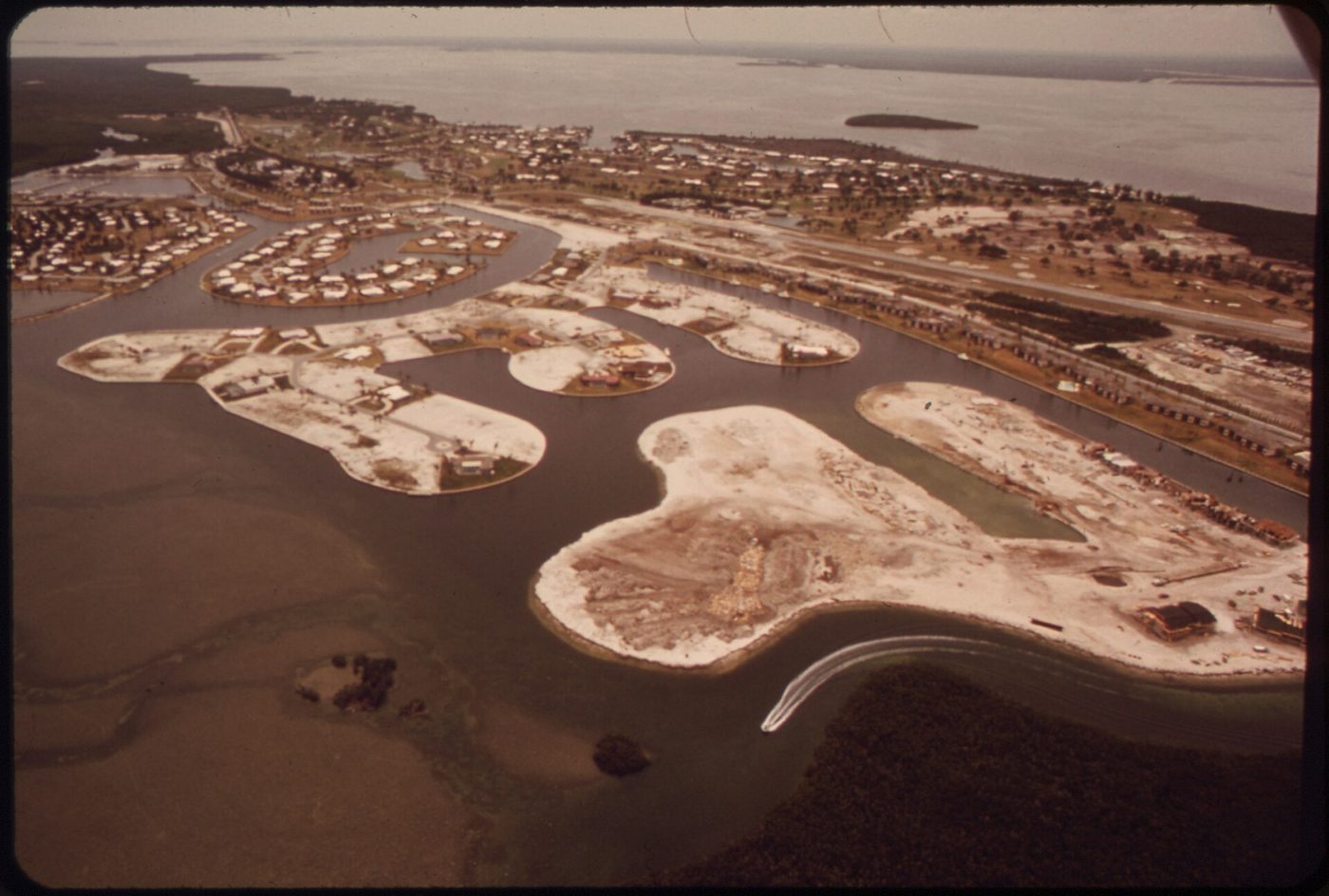
Ocean Reef is less a golf community than a private world: a gated club at the top of Key Largo, south of Miami, with its own marina, shops and airfield. The golf is the least of it. The two courses are short par 71s, more about the setting than the test, and nobody buys here for the slope rating.
Membership is tied to property: if you buy, you join, and the club says its social membership is closed. The club doesn’t publish its equity price or dues; the only figure we found in its own documents was the community association’s one-time $25,000 fee for new members.
Verdict: for buyers who want seclusion first and golf second. If golf is the priority, the money goes further on the mainland.
What is bundled golf?
Bundled golf means every home comes with a golf membership, and the cost is built into the fees every owner pays. You don’t apply to the club or wait for a membership to open up, but you pay for golf whether you play it or not. It’s most common in Southwest Florida’s newer communities.
It grew up in the new-build communities around Naples and Fort Myers, where it turned out to be easier to sell a house with golf included than a house plus a six-figure club membership. Heritage Bay’s published numbers show how it works in practice: one annual assessment of $10,216 for 2026, no green fees for members, a $29 cart fee for 18 holes, and a $13,500 capital contribution when a home changes hands.
Why it works:
- The cost per round is low if you play a lot. At Heritage Bay, a golfer playing 150 rounds a year pays under $100 a round, cart included, for everything the club offers.
- There’s no joining-fee shock and no waiting list. You buy the house; you’re a member.
- The club’s costs are spread across every home, which keeps dues lower than at an optional club of the same standard, where only the golfers pay.
What to watch:
- You pay whether you play or not. For a household with one occasional golfer, a bundled club is an expensive amenity.
- Every house is a member, so the tee sheet has to absorb every golfer in the community. Ask how many homes there are per 18 holes.
- Resale narrows. The next buyer has to want golf too.
- The courses are built for the average member. Bundled clubs rarely have a course a strong player will find demanding.
Bundled golf suits a household where at least one person plays three or more times a week and wants predictable costs. It doesn’t suit a non-golfing household, or a low handicapper who wants a championship course; for them, an optional club like Palencia or Lakewood Ranch is the better model.
How much does it cost to live in a Florida golf community?
At the communities we checked, from about $2,400 a year at The Villages, where a $189 monthly amenity fee covers the executive courses, to about $10,200 a year for bundled golf at Heritage Bay, to $295,000 to join BallenIsles plus $31,522 a year in dues. The model matters more than the house.
Here is what a year looks like under each model, using only figures the clubs published:
| Community | Model | To get in | Each year (2026 or latest) | Per round at 150 rounds a year |
|---|---|---|---|---|
| The Villages | Executive golf in the amenity fee | Buy a home | $2,268 amenity fee + $143.70 trail fee | About $16 |
| Heritage Bay | Bundled | $13,500 capital contribution on resale | $10,216 assessment + $29 cart per 18 holes | About $97 with a cart |
| Palencia | Optional private | $37,000, non-refundable | $7,320 family dues + $2,000 food and beverage minimum | About $49 in dues, before carts |
| Lakewood Ranch G&CC | Optional private | $110,000 | $16,320 dues + $19-$29 carts | About $109 in dues, before carts |
| Harbour Ridge | Mandatory equity | $124,000 capital + $1,000 equity | $19,741 club dues ($39,432 with owners’ association and capital funds) | About $132 in club dues |
| BallenIsles | Mandatory equity | $295,000 | $31,522 dues | About $210 in dues |
Per-round figures divide the annual dues by 150 rounds and leave out joining fees, food minimums and, where noted, carts. They aren’t perfectly like-for-like: Heritage Bay’s assessment also covers what other communities charge as owners’ fees, and Harbour Ridge’s total includes its owners’ association.
Three things jump out. First, the joining fee is the big variable, from nothing at The Villages to $295,000 at BallenIsles, and at most clubs you won’t get much of it back. Second, the annual cost of very good golf isn’t always as high as you’d fear: Palencia’s family dues are lower than Heritage Bay’s assessment. Third, owners’ association fees are the cost that sellers leave out of the conversation, and at Harbour Ridge they’re more than $13,000 a year on their own.
For comparison, a round at a good Florida public course costs anywhere from under $60 to more than $200; see our guide to what a round of golf costs for how green fees are set.
Which Florida golf communities have the best courses?
For the golf alone, start with The Concession near Sarasota (Jack Nicklaus and Tony Jacklin), Lake Nona in Orlando and Black Diamond Ranch’s Quarry Course (both Tom Fazio), Tiburón in Naples (Greg Norman) and Quail West (Arthur Hills). All are private or semi-private, and the best of them cost six figures to join.
National rankings don’t help much here, because the Florida clubs that make the national top-100 lists, such as Seminole and Calusa Pines, have no homes attached. So we’ve judged on architecture and on the data: the designer, the yardage, and the course rating and slope, which tell you how hard a course plays for a scratch golfer (the rating) and how much harder it plays for a bogey golfer (the slope, where 113 is average and 155 the maximum).
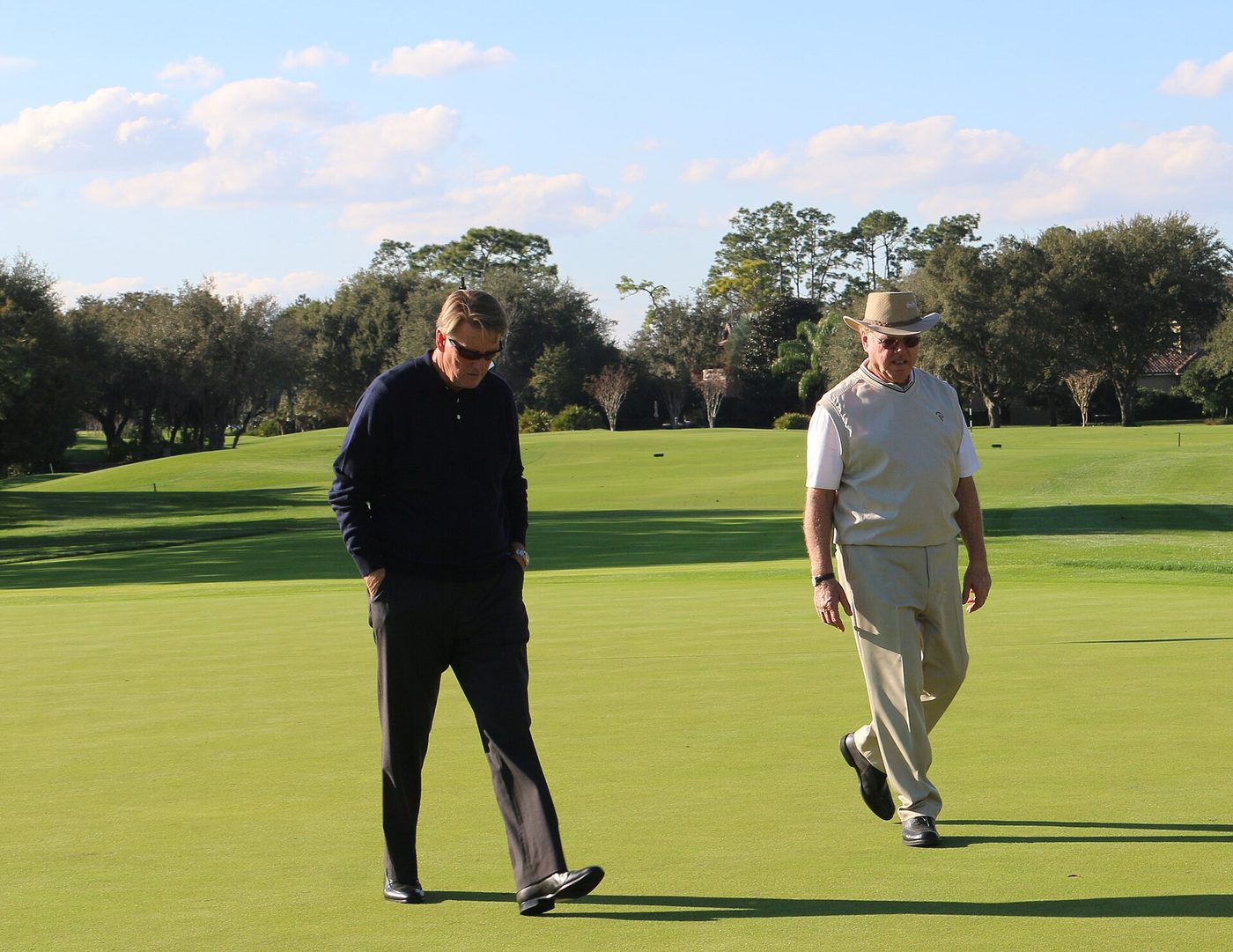
Tom Fazio’s name comes up more than anyone’s in Florida’s best communities: Lake Nona, Black Diamond Ranch and the two courses at Bonita Bay Club East are all his. Arthur Hills is the other constant, at Palencia, Quail West and Bonita Bay. For who these architects are and what their courses tend to feel like, see our guide to golf course architects.
These are the hardest courses we found published ratings for, from the back tees:
| Course | Community | Tees | Yards | Rating/slope | Source |
|---|---|---|---|---|---|
| The Concession | The Concession | Black | 7,470 | 77.6/155 | Reported |
| Lakes Course | Quail West | Tee I | 6,961 | 75.5/151 | Official |
| East/West | Sawgrass Country Club | Back (not stated) | 7,049 | 74.8/148 | Reported |
| Black Course | Tiburón | Gold | 6,949 | 74.6/147 | Official |
| Preserve Course | Quail West | Tee I | 6,715 | 73.8/144 | Official |
| Palencia | Palencia | Gold | 6,997 | 75.1/143 | Official |
| Marsh Landing | Marsh Landing | Championship | 6,851 | 74.3/143 | Reported |
| South Course | BallenIsles | Black | 7,006 | 74.4/138 | Official |
| Gold Course | Tiburón | Gold | 7,382 | 76.0/137 | Official |
| Cypress Course | Solivita (Stonegate) | Gold | 6,741 | 72.6/137 | Official |
| Oaks Course | Solivita (Stonegate) | Gold | 6,812 | 72.3/128 | Official |
Which tees should a 10, 18 or 25 handicap play?
Play by distance: a 10 handicap belongs at about 6,200 to 6,500 yards, an 18 at 5,700 to 6,100 and a 25 at 5,200 to 5,600. On courses sloped above 140, such as Quail West’s Lakes or The Concession, move up one more set, because Florida’s water punishes the carry you don’t have.
That advice matters more in Florida than elsewhere. Most of the state’s golf communities were built by digging lakes to raise the ground for the fairways and the houses, so water is in play on most holes, and the forced carries that are fun from the right tees turn into a lost-ball contest from the wrong ones. Winter makes it worse: damp mornings and overseeded fairways take the roll out of your drives, so a Florida course in February plays longer than its card says.
Some practical pointers for the courses in this guide:
- A 10-handicap can play Palencia, the Tiburón Gold and the BallenIsles South from a set around 6,400 yards and have a proper game. The Concession and the Quail West Lakes Course are better from a set nearer 6,200, whatever your pride says.
- An 18-handicap should look for around 5,900 yards almost everywhere, and treat the slopes above 145 as a reason to move up again. At The Villages, the executive courses are where you’ll have the most fun.
- A 25-handicap should play the forward sets and enjoy it. The Oaks at Solivita, with a slope of 128 from the back, is the gentlest full-length course we found ratings for, and The Villages’ executive courses are made for this game.
The best golf communities in Florida for value, and the munis next door
The cheapest Florida golf community isn’t always a golf community. If you play two or three times a week and don’t care about a clubhouse, buying a house near a very good public course can cost less than any membership in this guide, and the golf can be better than at a lot of private clubs.
Florida has some of the best municipal golf in the country, and several of the best munis sit in exactly the towns where people buy golf homes:
| Public course | Where | Architect | What residents pay (as of) | Why it matters |
|---|---|---|---|---|
| The Park | West Palm Beach | Gil Hanse and Jim Wagner (2023) | West Palm Beach residents from $100; resident card $25 (September 2026, official) | A modern design by the architects who restored Los Angeles Country Club and built Pinehurst No. 4, at a city course |
| Bobby Jones Golf Club (Donald Ross Course) | Sarasota | Donald Ross (1926), restored by Richard Mandell (2023) | Peak rates $74 to $124 set in 2023, with a 40% city-resident discount (reported) | A restored Ross course a short drive from Lakewood Ranch and The Concession |
| Winter Park 9 | Winter Park | Renovated by Keith Rhebb and Riley Johns (2016) | Residents $20 to $26 for nine holes (May to September 2026, official) | The best nine-hole muni in Central Florida, in one of Orlando’s oldest neighbourhoods |
| Crandon Golf at Key Biscayne | Key Biscayne | Robert von Hagge and Bruce Devlin (1972) | $120 on Mondays to $179 at weekends with cart (official) | Miami-Dade’s former tour venue on the bay |
| Fort Myers Country Club | Fort Myers | Donald Ross (1917) | Reported under $60 | A Ross course close to Southwest Florida’s bundled-golf belt |
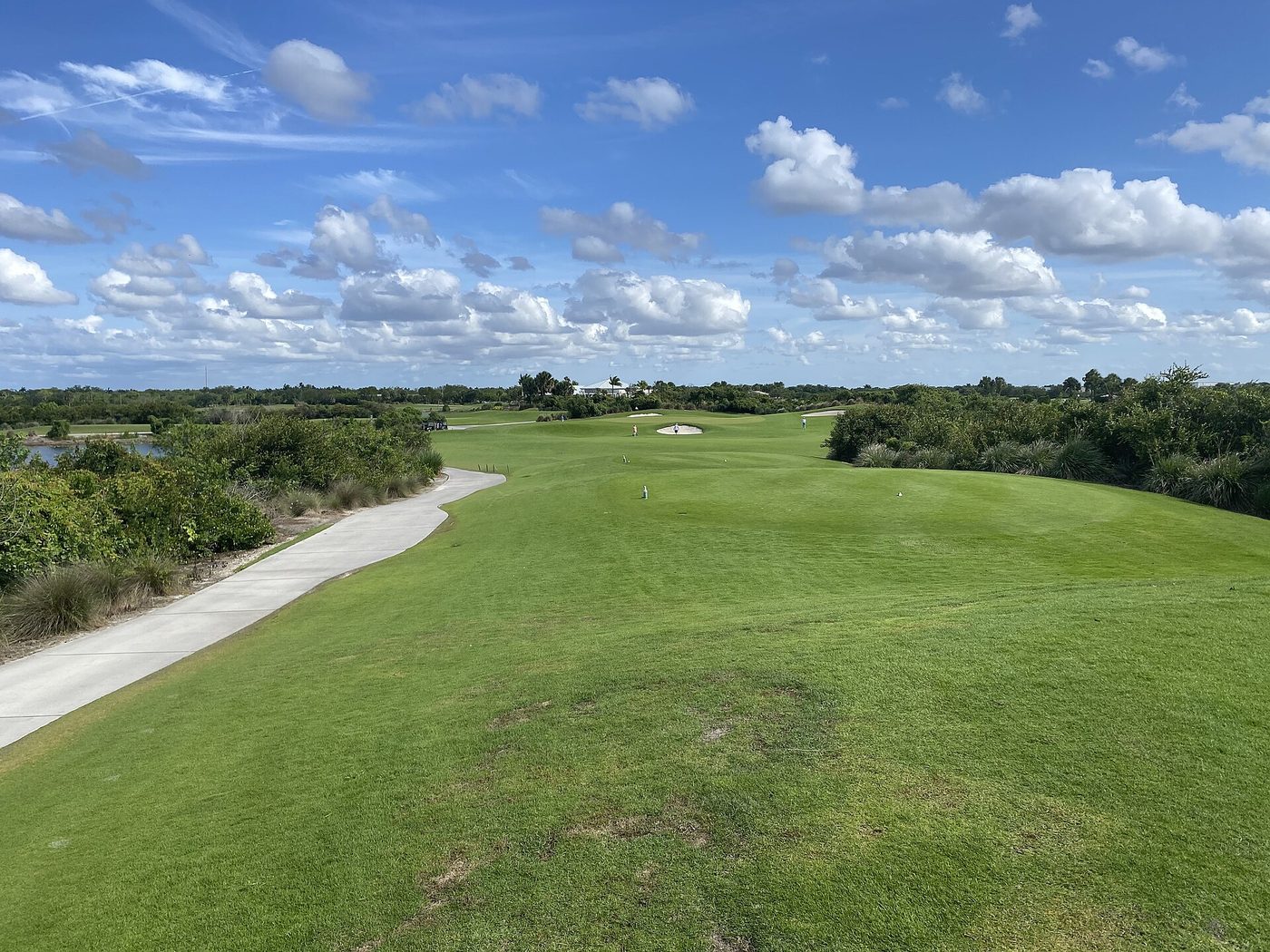
Even in west Boca Raton, where it can feel as if every course belongs to a club, Palm Beach County runs a public one at Osprey Point. Inside the golf communities themselves, the value picks are The Villages, where the executive courses are free to residents, and pay-as-you-play 55+ communities such as Solivita, where the golf costs nothing unless you play it. For the best public golf across the country, see our guide to the best municipal golf courses.
Which Florida golf communities suit beginners?
The Villages, where the free executive courses are short nine-hole layouts with par 3s and short par 4s, is the easiest place in Florida to learn and play every day. Solivita’s Oaks Course, with a slope of 128 from the back, is the gentlest full-length course we found ratings for.
Short courses are the best thing that can happen to a newer golfer, and The Villages has more of them than anywhere else in the country. You can play nine holes in under two hours, with friends at the same level, as often as you like, at no green fee. For more on how short and executive courses work, see our guide to par-3 golf courses.
The courses to save for later are the ones at the top of the slope table: The Concession, Quail West’s Lakes, the East/West combination at Sawgrass and the Tiburón Black. They’re not unfair, but they’re relentless for a golfer who can’t yet carry the ball 150 yards over water. At any club with more than one course, ask the pro which one the newer members play; there’s always an answer.
When is the best time to visit a Florida golf community before you buy?
Visit twice. Go once between January and March, when the seasonal residents are back and tee sheets are at their busiest, and once in late summer, when the heat, the afternoon storms and the maintenance closures show you what the other half of the year is like.
The winter visit tells you about crowding, because a club that feels empty in August can be full in February. Florida’s private clubs swell from roughly New Year to Easter, when the snowbirds are in residence, and a club that promises easy tee times on a summer sales tour can turn into a waiting game for morning slots in high season. Ask the golf shop how far ahead members book in February, whether there’s a lottery for prime times, and how many rounds each course played last year against how many golf members the club has. Divide one by the other, and compare it with how often you plan to play.
The summer visit tells you about everything else. Florida courses are mostly bermudagrass, which loves the heat, but clubs use the slow months to aerate, topdress and sometimes regrass the greens, and multi-course clubs often close one course at a time for weeks. That’s healthy maintenance, not a warning sign; see our guide to golf course grass for why it’s done. What you want to know is how long the closures last and whether the club has enough holes open while they happen. Hurricane season runs from June 1 to November 30, and it’s worth asking how the club came through the last bad storm, how long the course was closed and whether members paid an assessment for the clean-up.
How to try a Florida golf community before you buy
Every club in this guide will let a serious buyer see the golf before they commit; the trick is asking the right person for the right thing.
- Call the membership director, not the sales office. The sales team sells houses and lots; the membership office can tell you what the club costs, how full it is and whether it offers a prospective-member round.
- Ask for the full fee schedule and the last two years of budgets. A healthy club sends them. A club that won’t is telling you something.
- Play as a member’s guest if you can. Members will tell you about crowded tee sheets, slow play and the last assessment in a way that staff won’t.
- Rent before you buy. A month in season, if the community’s rental rules allow it, is the single best test. Check the minimum lease term first; many Florida communities restrict short rentals.
- Play the resort and public courses nearby. Tiburón can be played through the Ritz-Carlton, and if the club’s golf turns out to be more than you need, the munis in the table above may be all the golf you want.
- Check the tee sheet on a weekday morning in February. That’s the busiest the course will be. If you can’t get a time then, you’ll struggle all winter.
What should you check before buying in a Florida golf community?
Find out which of the four golf models applies, get every fee in writing, and then check three things that are particular to Florida: whether the property sits in a community development district with bond payments, what it costs to insure against wind and flood, and how the club handled its last hurricane.
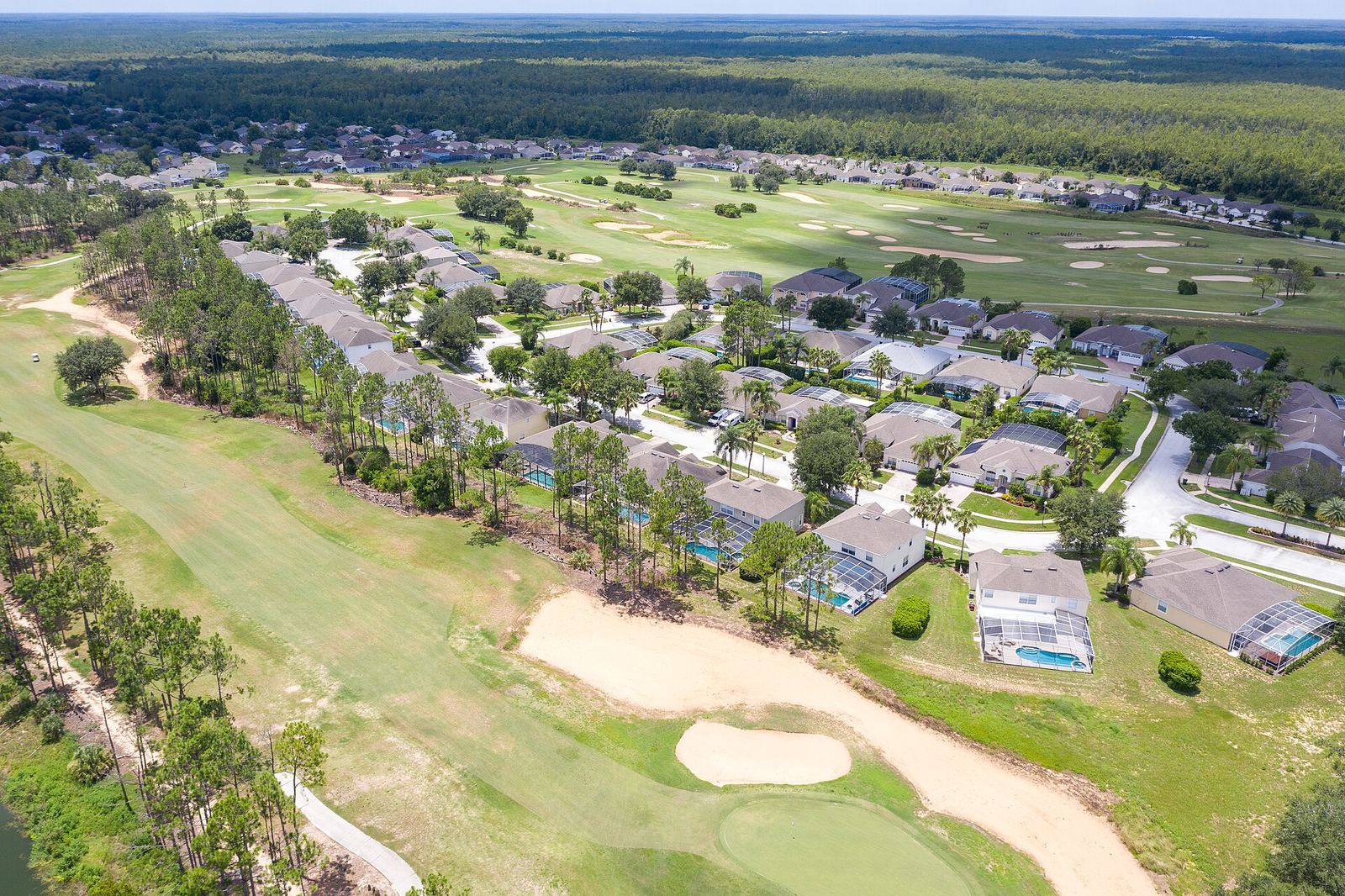
The general checklist for any golf community, from errant balls to who owns the course, is in our guide to golf course communities, and our guide to buying a golf course home covers the paperwork. These are the Florida-specific additions:
- Community development district (CDD) bonds. Many newer Florida communities sit inside a CDD, a special taxing district created under Chapter 190 of the Florida Statutes to pay for roads, water and other infrastructure. The bond payments show up on your property-tax bill for years, sometimes decades. Ask how much is left and when it’s paid off.
- Insurance and elevation. Get an insurance quote, wind and flood, before you make an offer, not after. Coastal golf communities and courses built on old wetlands can sit in flood zones that change the numbers dramatically.
- Hurricane history. Ask whether the club charged members an assessment after the last major storm, and how long the course was closed.
- Who owns the course. In an equity club the members own it, which protects you if a developer would rather build houses on it. In a non-equity club, find out who owns the land and what the governing documents allow on it if the golf stops; we explain what happens to home values when a course closes separately.
- Capital contributions and refunds. Find out what you pay when you buy, what the seller pays when they leave, and whether any deposit is refundable, and when.
- Seasonal crowding. Ask for rounds played by month. February matters more than the annual average.
- Rental and resale rules. Minimum lease terms, rental caps and membership transfer rules all affect resale, especially in mandatory clubs.
- The developer’s timeline. In a new community, find out when the developer hands the club over to the members, and whether the dues you’re quoted today will survive that handover.
Frequently asked questions
What is the best golf community in Florida?
It depends on what you’re paying for. For value, The Villages; for the best private club for the money, Palencia in St. Augustine; for bundled golf, Heritage Bay in Naples; and for the courses, The Concession, Lake Nona, Black Diamond Ranch, Quail West and Tiburón.
What is the cheapest golf community in Florida?
Of those we checked, The Villages. A $189 monthly amenity fee makes golf on its executive courses free to residents, plus a trail fee from $21.77 a month if you drive your own cart. Pay-as-you-play 55+ communities such as Solivita are the next step up.
What does bundled golf mean in Florida?
Every home in the community comes with a golf membership, paid for through the fees every owner pays. At Heritage Bay in Naples, the 2026 annual assessment was $10,216 a home, and members paid only a $29 cart fee to play 18 holes, or nothing to walk.
Do you have to join the golf club in a Florida golf community?
Not always. At Lake Nona, Sawgrass, Palencia and Lakewood Ranch, golf membership is optional. At Boca West, BallenIsles, Harbour Ridge and Ocean Reef, membership comes with the house; at bundled communities like Heritage Bay it’s built into the fees; and Quail West requires a house membership but makes golf optional.
What is a CDD fee in a Florida golf community?
A community development district is a special taxing district, set up under Chapter 190 of the Florida Statutes, that issues bonds for roads, water and other infrastructure in a new community. Owners repay the bonds through an annual assessment on the property-tax bill, separate from owners’ association and club fees.
Are all Florida golf communities 55+?
No. The Villages and Solivita are age-restricted, but most of the private-club communities in this guide, from Palencia to Boca West, are open to all ages, and Lakewood Ranch Golf & Country Club even charges lower dues to golfers under 40.
When is golf season in Florida?
All year, but at private clubs the season runs roughly from January to April, when seasonal residents are back and tee sheets are full. Summer is hot, wet and quiet, and it’s when clubs do most of their course maintenance. Hurricane season runs from June 1 to November 30.
Can you play the courses before you buy?
Usually. Most private clubs will arrange a round for a serious buyer through the membership office, and some, like Tiburón in Naples, double as resort courses that hotel guests can book. Ask for a prospective-member round before you ask for a house tour.
Our verdict
The best golf community in Florida for you is the one whose golf model matches how often you’ll play. If you’ll play every day and don’t need a hard course, The Villages is unbeatable on price. If you want a real private club without a six-figure entry fee, Palencia is the best deal we found anywhere in the state, and Heritage Bay shows how well bundled golf can work for a household that plays three or four times a week. If you want the best courses, look at The Concession, Lake Nona, Black Diamond Ranch, Quail West and Tiburón, and bring a large cheque.
Whatever you choose, read the fee schedule before the brochure, find out who owns the course, and visit in February and again in August. If you’re still weighing Florida against the desert, we compare Palm Springs golf communities separately, and our guide to how golf works in golf communities across the country covers Arizona and the Carolinas.
Sources
- Golf and golf rates, The Villages; trail fees, Village Community Development Districts
- 2025 scorecard and the Oaks Course, Stonegate Golf Club at Solivita; Solivita’s true cost in 2026, Nova55Living (estimates)
- Hole by hole, Lake Nona Golf & Country Club; Lake Nona Golf & Country Club, Wikipedia; Lake Nona Golf & Country Club, Golf Life Navigators (estimate)
- Course tour, Bella Collina; Bella Collina, MaxLife Realty (estimate)
- Join, Black Diamond Ranch; Black Diamond Ranch, The Golf Wire, 2013; Black Diamond Ranch, Lecanto, Momentum (estimate)
- Sawgrass Country Club report, St. Johns Citizen, November 2024; Sawgrass Country Club, Wikipedia
- Ponte Vedra Beach golf communities, Momentum (estimates); Marsh Landing Country Club: a second chance, Golf Aficionado, 2023
- Membership fees, January 2026, scorecard and golf, The Palencia Club
- Membership packet, Lakewood Ranch Golf & Country Club, 2026
- The Concession Golf Club, Wikipedia; Concession Golf Club, Naples Golf Guy (estimate)
- Lakes scorecard and golf, Quail West; Naples golf communities, McGreevy & Comisar (estimates)
- Scorecards, Tiburón Golf Club; Tiburón Golf Club, Wikipedia
- Bonita Bay, Matt Brown Real Estate (estimate); Bonita Bay Club West, Naples Golf Guy (estimate); Bonita Bay Club: the golden standard, Golf Aficionado
- 2026 user fee schedule and membership, Heritage Bay Golf & Country Club
- 2026 equity fee schedule (club document, hosted by a local agent), scorecard and membership, BallenIsles Country Club
- Why these Boca Raton aficionados are racing the clock and golf, Boca West Country Club; Boca West Country Club membership fees, Isabella Scott (estimates)
- 2025-26 club and POA dues and fees, Harbour Ridge Yacht & Country Club (club document, hosted by a local agent); Harbour Ridge, Kipp Schulties Golf Design
- Membership opportunities and golf, Ocean Reef Club; member handbook, Ocean Reef Community Association, January 2025
- FAQ, TPC Sawgrass
- Golf, The Park, West Palm Beach; Bobby Jones rates set, Your Observer, October 19, 2023; Winter Park Golf Course, City of Winter Park; rates and hours, Crandon Golf at Key Biscayne
- Chapter 190, Community Development Districts, Florida Statutes
Image credits
| Image | Photographer | Licence | Source |
|---|---|---|---|
| Golf-cart bridge over US 27/441, The Villages (featured image) | Ebyabe | CC BY-SA 3.0 | Wikimedia Commons |
| Lake Nona Golf & Country Club clubhouse | Cem0030 | CC BY-SA 4.0 | Wikimedia Commons |
| TPC Sawgrass Stadium Course, 17th hole | Craig ONeal | CC BY-SA 2.0 | Wikimedia Commons |
| Ocean Reef Club, North Key Largo, 1970s | Flip Schulke | public domain | Wikimedia Commons |
| Tom Fazio at Lake Nona Golf & Country Club | Cem0030 | CC BY-SA 3.0 | Wikimedia Commons |
| Osprey Point Golf Course, west Boca Raton | Gatorfan252525 | CC BY-SA 4.0 | Wikimedia Commons |
| Homes along Highlands Reserve Golf Course, near Orlando | ReunionVacationHomes.com | CC BY-SA 4.0 | Wikimedia Commons |